Empagliflozin, marketed as Jardiance, is a widely used oral medication that has significantly changed how clinicians manage type 2 diabetes and related conditions. Unlike traditional therapies that primarily focus on insulin, Jardiance targets kidney function to reduce blood glucose levels.
This unique mechanism has expanded its role beyond diabetes into cardiovascular and renal care.
How Jardiance Fits into Modern Treatment
Jardiance is commonly used for:
- Type 2 diabetes management
- Reduction of cardiovascular risk
- Support in chronic kidney disease
Its use is often recommended when patients require more than standard glucose-lowering medications.
For a practical explanation of how it is prescribed and used in real-world treatment, see this guide on how Jardiance (empagliflozin) tablets are used and what patients should expect:
jardiance empagliflozin tablets detailed overview
Mechanism: How It Lowers Blood Sugar
Jardiance inhibits the SGLT2 transporter in the kidneys, preventing glucose from being reabsorbed into the bloodstream.
As a result:
- Excess glucose is eliminated through urine
- Blood sugar levels decrease
- The body experiences a mild calorie loss
This insulin-independent action makes it effective even in patients with reduced insulin sensitivity.
Cardiovascular and Renal Protection

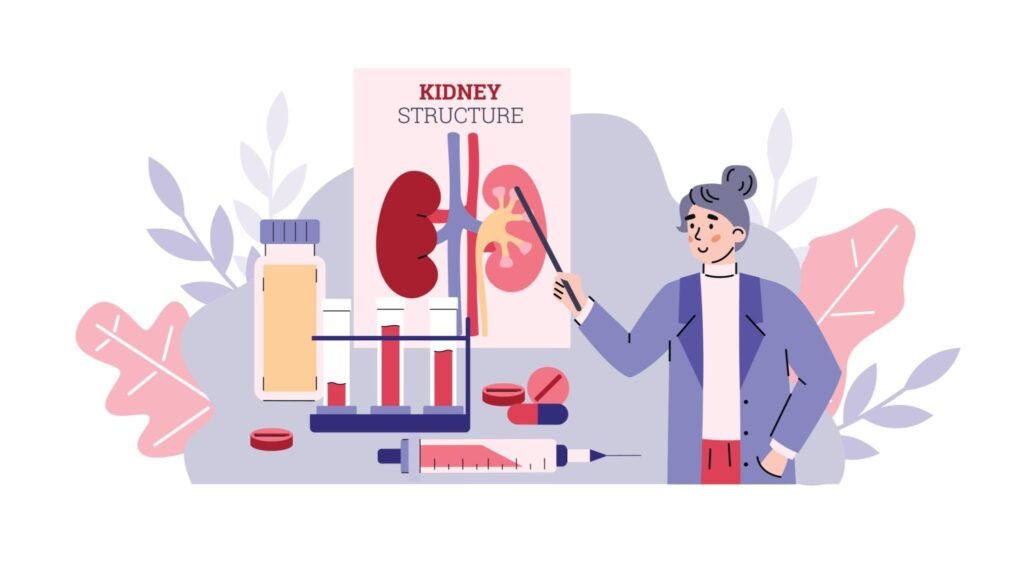
One of the key reasons Jardiance is widely prescribed today is its additional protective effects.
Clinical data shows it may:
- Lower the risk of heart failure hospitalization
- Improve cardiovascular outcomes
- Slow kidney function decline
These benefits make it a preferred option in patients with multiple chronic conditions.
Dosage and Routine Use
Jardiance is typically taken:
- Once daily
- At a consistent time each day
- With or without food
Maintaining a routine is essential to ensure stable blood glucose control.
Patients should also be aware of increased urination due to the medication’s mechanism.
Side Effects and Risks
Common side effects include:
- Frequent urination
- Urinary tract infections
- Mild dehydration
Less common but serious risks may include:
- Ketoacidosis
- Severe infections
Patients should seek medical advice if unusual symptoms occur.
Who Should Use It Carefully
Jardiance may not be suitable for:
- Patients with type 1 diabetes
- Severe kidney disease
- Individuals prone to dehydration
A healthcare provider should evaluate individual risk factors before starting treatment.
Clinical Reference
For a medically reviewed explanation of how empagliflozin works and its safety considerations, see this clinical overview of empagliflozin therapy:
empagliflozin safety and mechanism overview
Practical Tips
To improve outcomes:
- Stay well hydrated
- Monitor blood sugar regularly
- Combine treatment with diet and exercise
- Follow medical guidance consistently
Conclusion
Jardiance represents a modern, multi-benefit approach to managing type 2 diabetes and its complications. By addressing glucose control, heart health, and kidney function simultaneously, it offers a comprehensive solution for long-term care.