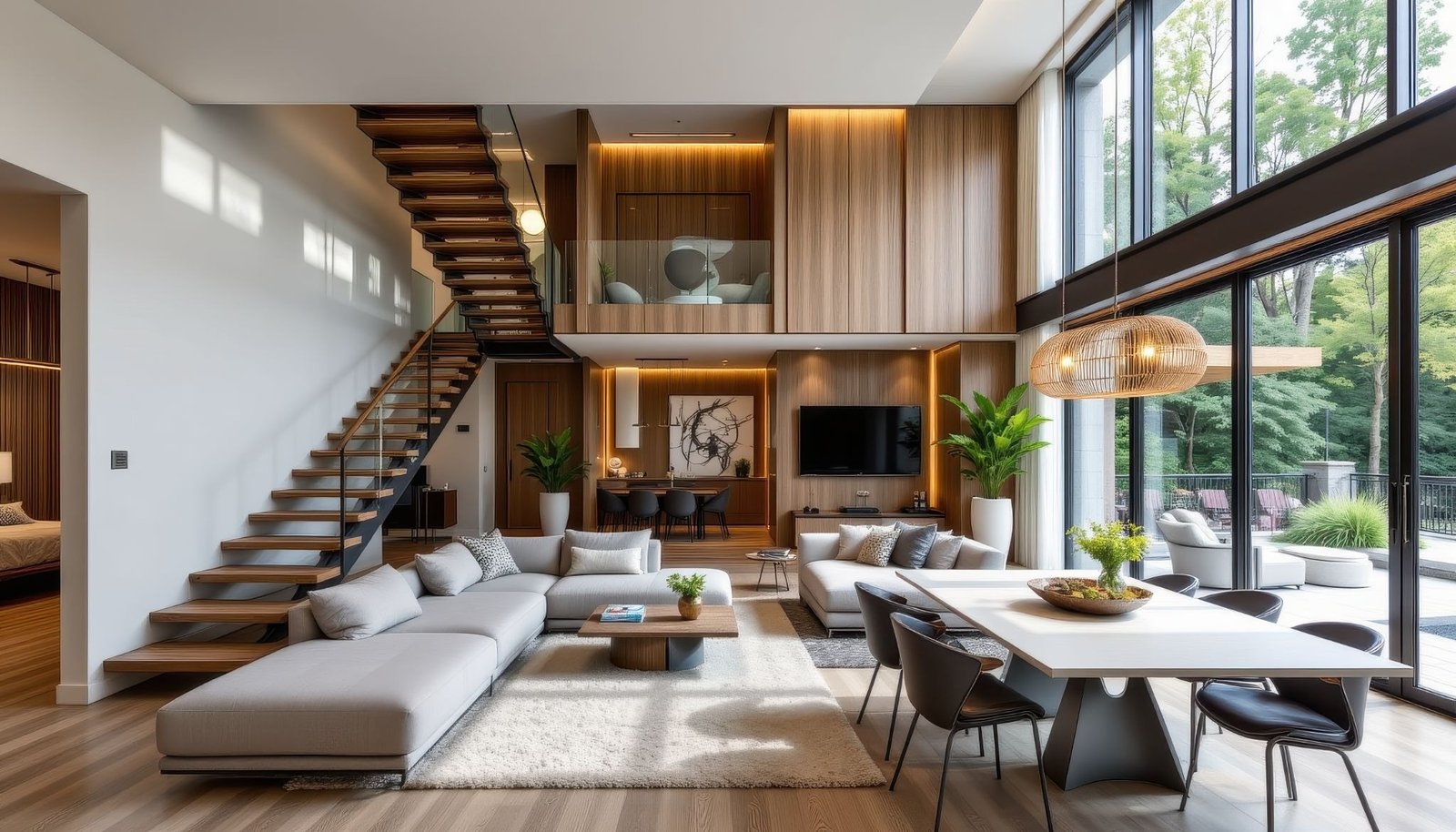
Your living room is the heart of your home. It is the place where you relax after a long day, spend time with your family, and welcome your guests. Because of this, it deserves to look and feel its best. But decorating a living room can feel overwhelming, especially if you do not know where to start.
The good news is that you do not need to be an interior designer or spend a fortune to create a beautiful living room. With the right approach and a few smart choices, you can turn any living room into a space you truly love. This guide will walk you through everything you need to know, step by step, in simple and easy words.
Step 1: Start with a Clear Vision
Before you buy anything or move a single piece of furniture, take a moment to think about what you want your living room to look and feel like. Ask yourself a few questions:
- Do you want it to feel cozy and warm, or clean and modern?
- Will it be used mainly by adults, or do you have young children?
- Do you prefer bold colors or soft, neutral tones?
- What is your budget?
Having a clear vision from the beginning saves you time, money, and a lot of frustration. You can even create a simple mood board by cutting out pictures from magazines or saving images on your phone. This gives you a visual direction to follow as you decorate.
Step 2: Choose a Color Scheme
Color sets the entire mood of a room. The right colors can make a small room feel bigger, a dark room feel brighter, and a plain room feel full of life.
If you are not sure where to start, go with neutral colors like white, beige, grey, or soft cream. These shades are easy to work with and never go out of style. Once you have your base color, you can add pops of color through cushions, curtains, rugs, or decorative items.
If you want something bolder, try a feature wall. Paint one wall in a deeper shade like navy blue, forest green, or terracotta, and keep the rest of the room light. This adds drama without making the space feel too heavy.
Always test a paint color on a small section of the wall before committing to it. Colors can look very different under natural and artificial light.
Step 3: Pick the Right Furniture
Furniture is the backbone of any living room. Getting it right makes everything else fall into place.
Start with your sofa since it is usually the largest and most important piece in the room. Choose a size that fits your space comfortably. A sofa that is too big will make the room feel cramped, while one that is too small will look lost.
Think about how you use your living room. If you have family movie nights, a large sectional sofa might be perfect. If you host dinner parties or small gatherings, a classic three-seater with a couple of accent chairs might work better.
Do not forget about secondary furniture pieces. A coffee table is always a great addition as it gives you a surface to place drinks, books, and decorative items. Side tables next to your sofa are also very useful and can hold lamps, remotes, or your morning cup of tea.
Another fantastic furniture piece to consider is a console table. While most people think of console tables as entryway furniture, they work incredibly well in living rooms too. You can place one behind your sofa to create a visual barrier between the living and dining areas in an open-plan home. Style it with a couple of plants, a small lamp, and a few decorative objects and it instantly becomes a beautiful focal point in the room.
Step 4: Think About Storage
One of the biggest challenges in any living room is keeping it tidy. Without enough storage, things pile up quickly and the room starts to look messy no matter how nicely it is decorated.
Think creatively about storage solutions. A TV unit with cabinets or drawers gives you space to hide remote controls, chargers, and other small items. Bookshelves not only store books but also give you a chance to display decorative objects, photo frames, and plants.
A shoe storage bench is another brilliant option, especially if your home has an open layout where the living room connects to the entryway. It gives every family member a dedicated spot to sit down, take off their shoes, and store them neatly inside. You can also use it as extra seating when guests come over. It keeps the space looking clean and clutter-free while adding a warm, welcoming touch to the room.
Step 5: Add Lighting Layers
Lighting is one of the most underrated parts of decorating, yet it can completely transform how a room looks and feels.
Try to work with at least three types of lighting in your living room:
- Ambient lighting — This is your main light source, usually a ceiling light or a large overhead fixture. It lights up the whole room.
- Task lighting — These are focused lights used for specific activities, like a floor lamp next to your reading chair or a table lamp on your side table.
- Accent lighting — These lights are used to highlight certain features, like a bookshelf, a piece of artwork, or a decorative corner.
Using dimmer switches is also a great idea. They let you adjust the brightness depending on the time of day or the mood you want to create. Bright light for daytime activities, soft warm light for evenings.
Step 6: Layer Your Textiles
Textiles are what make a living room feel warm, comfortable, and lived-in. Do not be afraid to layer different textures and patterns together.
Start with a good quality rug. A rug anchors the seating area and brings all the furniture together visually. Make sure it is large enough so that at least the front legs of your sofa and chairs sit on it.
Add cushions to your sofa in different sizes and patterns. Mix plain cushions with patterned ones for a relaxed, stylish look. Throw blankets draped over the arm of a sofa not only look cozy but are also practical for chilly evenings.
Curtains are another important textile element. Floor-length curtains make ceilings look taller and windows look grander. Choose curtains that complement your color scheme rather than compete with it.
Step 7: Decorate with Personal Touches
A living room should feel like it belongs to you, not a showroom. Personal touches are what make a home feel warm and inviting.
Display family photos in matching frames for a clean look, or mix and match different frames for a more eclectic style. Bring in items that tell your story, like travel souvenirs, handmade crafts, or books you love.
Plants are one of the easiest and most affordable ways to breathe life into a living room. Even a single large plant in a nice pot can completely change the feel of a space. If you do not have a green thumb, go for low-maintenance plants like pothos, snake plants, or succulents.
Art is another wonderful way to add personality. You do not need expensive pieces. A large canvas print, a gallery wall of black and white prints, or even a framed piece of fabric can all look stunning.
Step 8: Do Not Rush the Process
One of the most important pieces of advice when it comes to decorating your living room is to take your time. Do not feel pressured to finish everything at once. It is perfectly fine to live in a space for a while before making decisions. Sometimes you need to see how the light falls in different parts of the room, or how the furniture feels in real life before you know what is missing.
Buy things you truly love rather than things that are just convenient or on sale. A well-chosen piece that you love will always look better than several rushed purchases that you are not sure about.
Final Thoughts
Decorating your living room does not have to be stressful or expensive. It is simply about understanding your space, making thoughtful choices, and adding elements that reflect who you are. Start with the basics: color, furniture, lighting, and storage and build from there.
Whether you are starting fresh in a new home or simply refreshing an existing space, every decision you make brings you one step closer to a living room that feels comfortable, stylish, and completely yours. Take it one step at a time, trust your instincts, and enjoy the process.
After all, the best living room is not the one that looks perfect in a magazine. It is the one that feels perfect to you.