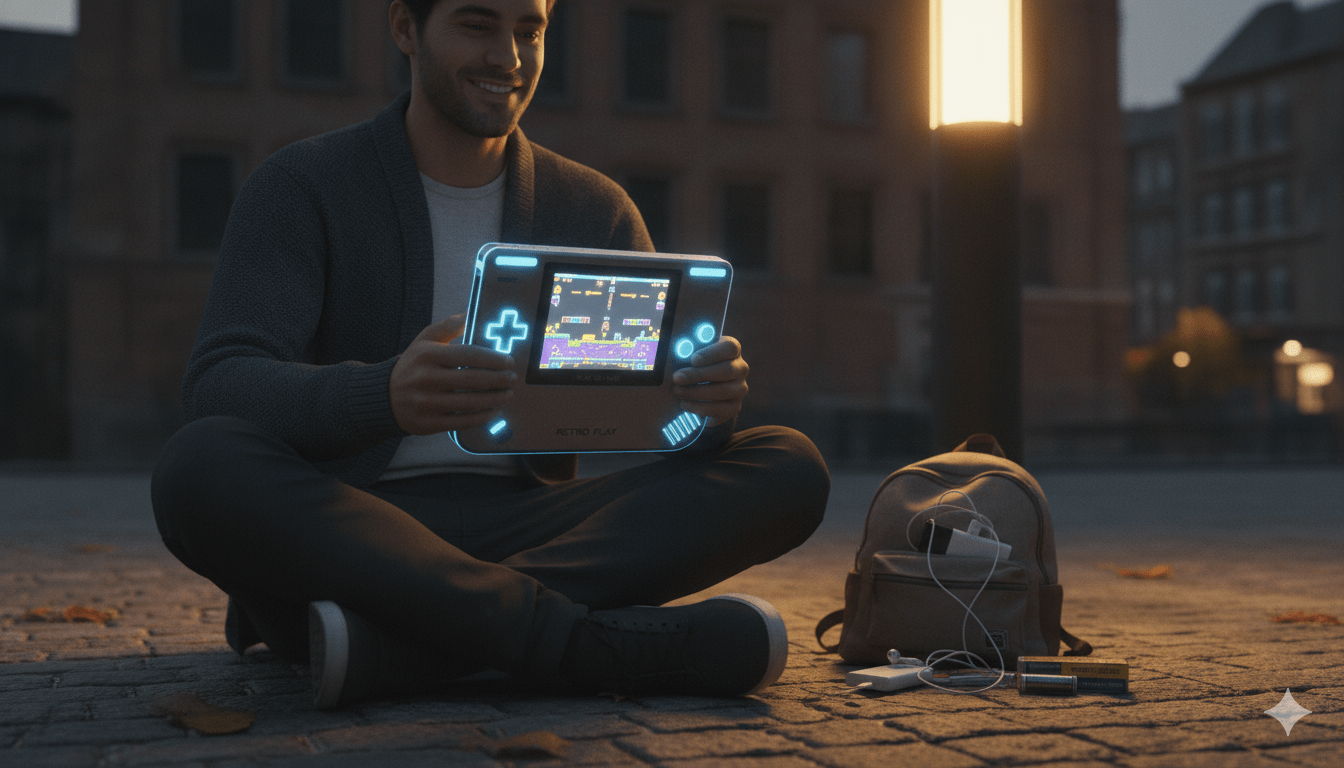
Do you remember the pure joy of opening a brand-new game boy when you were a kid? Sitting under a streetlamp just to see the screen was a classic memory. Today, you do not have to hunt for old AA batteries to relive those magical days. Modern tech has changed the way we play classic video games. A modern retro handheld game console can hold thousands of your favorite childhood adventures right in your pocket.
Choosing the right portable gaming system can feel a bit tricky because there are so many options out there. Some devices look exactly like classic systems from the 1990s, while others look like high-tech mini computers. In this ultimate guide, we will break down the absolute best choices for every budget. We will look at real screen quality, battery life, and how easy these devices are to use so you can find your perfect match.
Why Retro Handheld Emulation is Booming
The world of classic gaming has grown incredibly fast over the last few years. People love these devices because they offer a pure dose of nostalgia without the old headaches. Older classic systems required messy wires and old television sets to work. A modern retro handheld game console uses clever software to run your favorite classic video games smoothly on a sharp, bright screen.
Another huge reason for this boom is the amazing community of developers. These passionate fans create custom firmware, which is a special operating system that makes your console run faster and look better. Instead of dealing with clunky original menus, you get beautiful game art and smooth navigation. It makes playing classic titles feel like a premium modern experience.
The Big Debate: Vertical vs Horizontal Layouts
When you start shopping, you will notice two main styles of devices. Vertical consoles look like the classic Game Boy, where the screen sits right above the buttons. Many gamers love this style because it feels deeply nostalgic and fits easily into a jacket pocket. It is the ultimate classic look for playing quick puzzle games or older 8-bit adventures.
On the flip side, horizontal consoles place the screen right between the controls, similar to a modern Nintendo Switch. This layout is generally much better for longer gaming sessions. Your hands stay spread apart, which prevents your fingers from cramping up. Horizontal devices also have more room for dual analog sticks, which you absolutely need for later 3D titles.
Screen Quality Matters More Than You Think
You might think that old pixel games look the same on any display, but screen quality makes a massive difference. Cheap devices often use low-grade panels that make the colors look washed out or blurry when you tilt the console. The best modern options use vibrant IPS displays or gorgeous OLED screens that make every pixel pop with rich color.
The shape of the screen, also called the aspect ratio, is another huge factor to consider. Older games were made for square-shaped box televisions. If you play them on a wide screen, the image will either stretch out or have big black bars on the sides. Finding a device with the right screen setup ensures your favorite childhood games look exactly the way you remember them.
Top Budget Picks Under Fifty Dollars
You do not need to spend a fortune to get a fantastic pocket gaming setup. The budget market is filled with amazing little powerhouses that offer incredible value. For example, devices like the Miyoo Mini Plus and the Anbernic RG35XX series are wildly popular right now. They cost around fifty dollars but can easily play thousands of games from the 8-bit and 16-bit eras.
These affordable devices are perfect for beginners who just want to turn a console on and play. They usually come with a micro SD card packed with software, so you do not have to do any complicated setup. While they might struggle with heavy 3D titles, they handle pixel-art platformers and classic role-playing games perfectly.
Mid-Range Powerhouses for 3D Gaming
If you want to play games from the late 1990s or early 2000s, you will need a bit more processing muscle. Mid-range devices usually cost between one hundred and two hundred dollars. In this tier, brands like Retroid and Anbernic offer devices that can smoothly handle complex 3D graphics from classic home consoles.
These mid-range systems often run on a modified version of Android or Linux. They feature better build quality, larger battery capacities, and accurate analog sticks. They also open the door to fun modern features like multiplayer gaming over Wi-Fi. This allows you to trade monsters or battle your friends just like the old days.
Premium Consoles for the Ultimate Enthusiast
For gamers who want the absolute best experience, premium retro devices offer unmatched luxury. Consoles like the Analogue Pocket do not use standard emulation software at all. Instead, they use specialized computer chips to mimic original console hardware perfectly. This means your game cartridges play with zero lag and pixel-perfect accuracy.
Other premium options use powerful processors that can even run lighter PC games alongside classic titles. These high-end devices feature aluminum shells, stunning high-resolution screens, and buttons that feel incredibly satisfying to press. They are built to last for decades and serve as the crown jewel of any gaming collection.
Understanding Emulators and Game ROMs
To get the most out of your new device, it helps to understand how the software works. An emulator is simply a program that acts like an old console console inside your new hardware. A ROM is the digital copy of the actual game cartridge or disc. Think of the emulator as a digital movie player, and the ROM as the movie file itself.
Most modern handhelds come with these emulators pre-installed and ready to go. However, learning how to add your own files gives you total control over your library. You can save your progress at any exact moment, apply clean video filters, and even fast-forward through long, unskippable dialogue scenes.
Battery Life and Everyday Portability
A great handheld is only useful if it actually stays alive while you are away from home. Battery life varies wildly depending on the size of the device and the games you play. Small, low-power pocket consoles can often last for six to eight hours on a single charge because they do not require much energy.
On the other hand, playing bright 3D games on a large screen will drain the battery much faster. When choosing a console, think about where you will actually use it. If you want something for daily bus commutes, a compact device with long battery life is your best bet. If you mostly play on the couch, size matters much less.
Essential Accessories for Your New Setup
Once you pick out your favorite retro handheld game console, a few simple accessories will keep it safe and fun to use. First, a sturdy hardshell carrying case is a must-have to protect the screen from scratches inside your bag. A screen protector is also a cheap way to save your display from accidental drops.
Another smart upgrade is a high-quality micro SD card from a trusted brand. The unbranded memory cards that come inside cheap devices are famous for failing unexpectedly, which can erase all your saved games. Copying your files over to a reliable card will save you from a major heartbreak later on.
How to Choose the Perfect Device for You
With so many amazing portable gaming systems on the market, finding the right one comes down to your personal taste. Ask yourself which specific games you miss the most. If you want to relive early gray-cartridge handheld memories, a small vertical device is cheap, cute, and perfect for the job.
If you want a single machine that can handle everything from your childhood, saving up for a mid-range or premium horizontal device is well worth the money. No matter which path you choose, these modern pocket wonders are an incredible way to keep gaming history alive in the palm of your hand.
Comprehensive Comparison of Top Retro Handhelds
| Device Name | Form Factor | Max Emulation Power | Screen Type | Estimated Price |
| Miyoo Mini Plus | Vertical | PlayStation 1 | 3.5-inch IPS | $50 – $60 |
| Anbernic RG35XXSP | Clamshell | PlayStation 1 / Dreamcast | 3.5-inch IPS | $60 – $70 |
| Retroid Pocket 5 | Horizontal | PlayStation 2 / GameCube | 5.5-inch OLED | $200 – $220 |
| Anbernic RG Cube | Horizontal | PlayStation 2 / GameCube | 3.95-inch IPS (1:1) | $160 – $180 |
| Analogue Pocket | Vertical | Natively plays original physical carts | 3.5-inch High-Res LCD | $220 – $250 |
Frequently Asked Questions
Do these consoles come with games already installed?
Many budget and mid-range devices come with a micro SD card containing thousands of classic titles right out of the box. However, premium devices like the Analogue Pocket require you to use your own original physical cartridges or load your own files onto a memory card.
Can I save my game progress at any time?
Yes! Almost every modern retro handheld game console includes a feature called “save states.” This allows you to freeze the game and save your exact position instantly at the press of a button, even if the original game did not have a save system.
Is custom firmware difficult to install?
Not at all. The classic gaming community creates incredibly simple guides for installing custom firmware like OnionOS or ArkOS. For most devices, it just involves downloading a file on your computer and dragging it onto your console’s memory card.
Can I connect these handhelds to my television?
Many modern portable systems feature a mini HDMI port on the top of the device. This allows you to plug the console directly into your modern television screen with a cheap adapter cable, turning your handheld into a home console instantly.
What happens if the memory card stops working?
The cheap memory cards included with budget devices can sometimes corrupt and stop working. This is why experts always recommend backing up your files to a computer and moving them over to a reliable, brand-name micro SD card as soon as possible.
Are these devices safe and comfortable for children?
Yes, budget models are fantastic for kids because they are durable, inexpensive, and do not require an active internet connection to play. The horizontal models are usually the most comfortable for smaller hands during longer play sessions.
Conclusion
A modern retro handheld game console is much more than just a simple gadget. It is a portal back to a simpler time when video games were all about pure, unadulterated fun. Whether you want a tiny vertical device for your daily commute or a gorgeous premium system to display on your shelf, there has never been a better time to jump into the hobby. Pick up a device, fire up your favorite childhood game, and let the nostalgia wash over you!