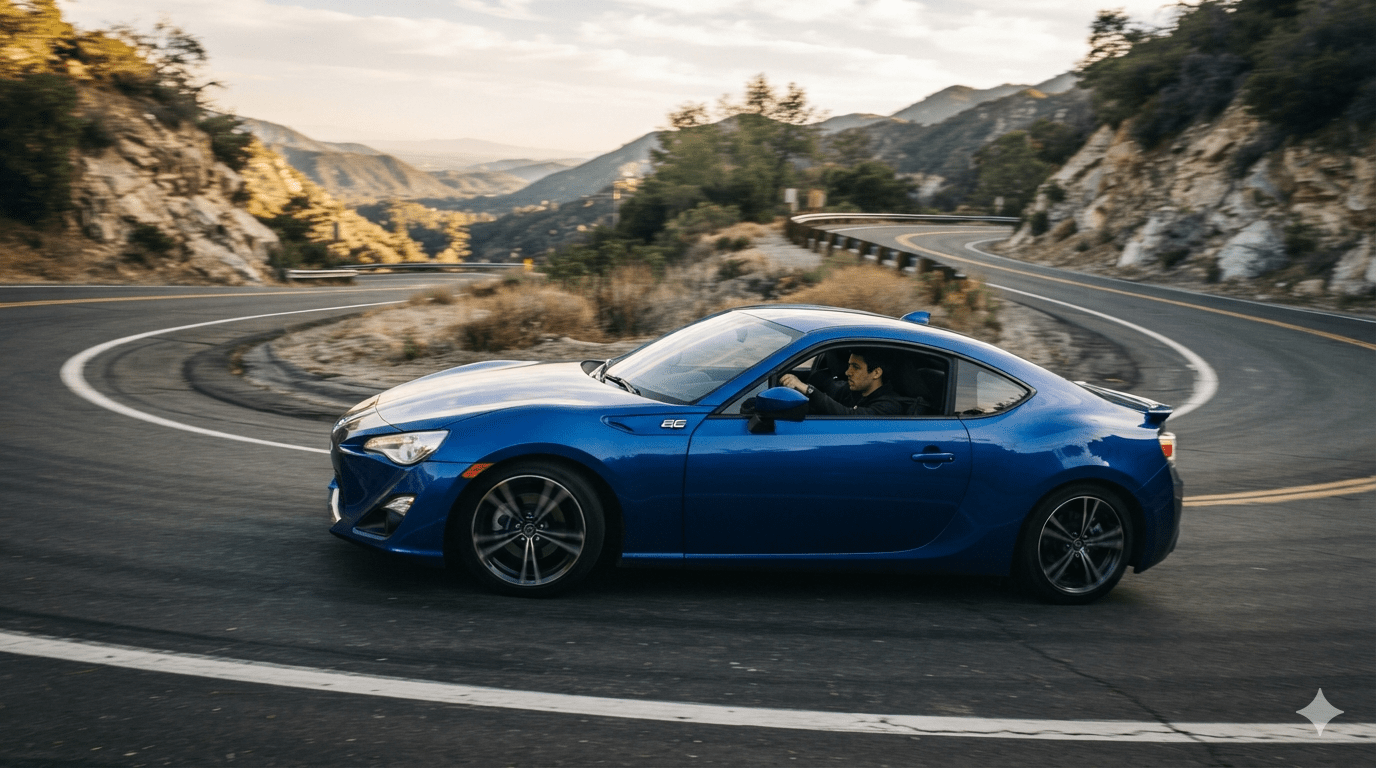
Have you ever dreamed of driving a car that feels purely alive on every single twisty road? The toyota sport gt86 is a special vehicle built for true driving fans. Back in 2012, Toyota wanted to bring back the magic of lightweight, rear-wheel-drive sports cars. They teamed up with Subaru to create a machine focused entirely on pure fun rather than raw, terrifying horsepower. When you sit inside, you immediately notice how low you feel to the ground. This low seating position helps you feel every movement of the car. It is a modern machine that honors old-school driving values, making it an instant favorite for car lovers young and old.
The Birth and Heritage of the GT86 Legacy
The story of this amazing coupe goes back many decades into Japanese automotive history. Toyota looked at their past legends, like the 2000GT and the famous Corolla AE86, to find inspiration. Fans often call those older cars “hachiroku,” which simply means eighty-six in Japanese. Engineers wanted to capture that exact same lightweight magic. They skipped heavy turbochargers in the beginning to keep the car pure and simple. This deep respect for history helped shape a car that connects the driver directly to the asphalt. Every curve of the body pays homage to decades of rear-wheel-drive heritage.
Understanding the Boxer Engine Architecture
Underneath the low hood sits a very unique mechanical heart. The toyota sport gt86 uses a 2.0-litre horizontally opposed boxer engine developed alongside Subaru. Because the cylinders lay flat on their sides, the entire engine sits very low in the chassis. This clever layout gives the vehicle an ultra-low center of gravity. Toyota added their special D-4S fuel injection technology to boost power and efficiency. It is a naturally aspirated engine, meaning it loves to rev high into the rpm range. Hearing that exhaust note climb as you change gears brings a massive smile to your face.
Exceptional Handling and Weight Distribution
Handling is where this sports car truly leaves its competition behind. Engineers spent countless hours making sure the weight balance was nearly perfect. The car features a 53:47 front-to-rear weight distribution during spirited driving. This precise balance makes the steering feel sharp, instant, and very predictable. You do not need massive horsepower to have fun when a chassis is this well-designed. It flows through corners smoothly, letting you feel confident whether you are driving on a quiet mountain pass or taking a weekend trip to a local track day.
Exterior Styling and Aerodynamic Design
At first glance, the exterior styling of the vehicle screams speed and agility. The roof features a unique “pagoda” shape with a center channel that helps manage airflow over the car. Sharp LED headlights, a wide front grille, and a low stance give it an aggressive road presence. Aerodynamic fins and a sleek rear spoiler work together to push the car down onto the road at higher speeds. Even while parked still in a driveway, it looks like it is moving fast. Every line and vent serves a real engineering purpose to improve performance.
Driver-Focused Interior and Cabin Layout
Opening the door reveals a cockpit built strictly for the person behind the wheel. The dashboard layout is clean, simple, and free of annoying distractions. A giant tachometer sits right in the center of the instrument cluster so you always know when to shift. The steering wheel is wonderfully small, offering a great grip and quick steering inputs. Deeply bolstered sport seats hug your body tightly when you take sharp turns at high speeds. While the back seats are quite small and best left for luggage, the front seating area makes you feel like a professional race car driver.
Performance Specs and Transmission Choices
When looking at raw performance numbers, the vehicle punches well above its weight class. The engine pushes out around 200 to 205 horsepower depending on the model year. Buyers can choose between a crisp six-speed manual transmission or a quick-shifting six-speed automatic with paddle shifters. Power goes directly to the rear wheels through a limited-slip differential. This setup helps maintain traction and gives you controlled rear-wheel slide capability if you visit a closed track. It sprints from zero to sixty miles per hour in roughly seven seconds.
Complete Specifications Table
| Feature / Specification | Details & Metrics |
| Engine Type | 2.0-Litre Horizontally Opposed Boxer (FA20) |
| Aspiration | Naturally Aspirated with D-4S Injection |
| Horsepower | 200 – 205 hp @ 7,000 rpm |
| Torque | 205 – 212 Nm @ 6,400 – 6,600 rpm |
| Transmission | 6-Speed Manual or 6-Speed Automatic |
| Drivetrain | Front-Engine, Rear-Wheel Drive (RWD) |
| Weight | Approx. 1,240 – 1,280 kg |
| 0–100 km/h Time | ~7.6 seconds (Manual) |
| Top Speed | 226 km/h |
| Seating Capacity | 2 + 2 Layout |
Evolution and Updates Through the Years
Since its original launch, the car has received several smart updates. A major refresh arrived in 2017, bringing sharper front bumpers, updated LED lighting, and suspension tweaks. Engineers adjusted the shock absorbers and spring rates to improve ride comfort without hurting handling agility. Manual transmission variants also gained a slight bump in power and better gear ratios. These ongoing improvements kept the vehicle fresh, competitive, and deeply appealing to driving enthusiasts across global automotive markets.
Customization and Tuning Community Culture
One of the greatest things about owning this machine is the massive aftermarket support. Car enthusiasts love modifying their rides with custom wheels, exhaust systems, and body kits. Because the engine bay is spacious and straightforward, working on the car is an absolute joy for home mechanics. Local car meets almost always feature a few customized examples showing off unique creative styles. Whether you want a mild cosmetic upgrade or a track-ready turbo monster, the community provides endless inspiration and parts availability.
Buying Guide and Ownership Experience
Purchasing a used model today offers incredible value for performance seekers. Maintenance costs remain very reasonable because parts are shared widely within the automotive world. When shopping for a pre-owned unit, always check service records and inspect for any modification stress. A well-maintained model will provide years of reliable, trouble-free motoring. It serves as a fantastic daily driver for single owners or a brilliant weekend toy for anyone wanting pure driving joy on a sensible budget.
Frequently Asked Questions (FAQs)
- What kind of engine does the vehicle use?It uses a 2.0-litre naturally aspirated horizontally opposed four-cylinder boxer engine built in partnership with Subaru.
- Is the car rear-wheel drive?Yes, power goes strictly to the rear wheels, making it amazing for cornering balance and fun driving dynamics.
- How fast does it accelerate from zero to sixty?The manual version reaches 100 km/h in about 7.6 seconds, delivering brisk and exciting real-world acceleration.
- Can adults fit comfortably in the back seats?The rear seats are very tight and best reserved for small children, pets, or extra luggage space.
- Are manual transmissions better than automatic ones?Driving purists usually prefer the six-speed manual for its short-throw shifter feel, but the automatic offers convenient paddle shifters.
- Is it a good car for daily commuting?Yes, it offers decent fuel economy and comfort, though the ride is firm and sport-tuned for handling performance.
Conclusion and Call to Action
The toyota sport gt86 proves that you do not need hundreds of horsepower to experience true motoring bliss. With its lightweight build, brilliant handling, and aggressive styling, it captures the pure soul of sports car driving. If you love twisting roads and mechanical purity, you owe it to yourself to get behind the wheel. Drop a comment below sharing your favorite memory of this car, or share this guide with a fellow driving fan today!