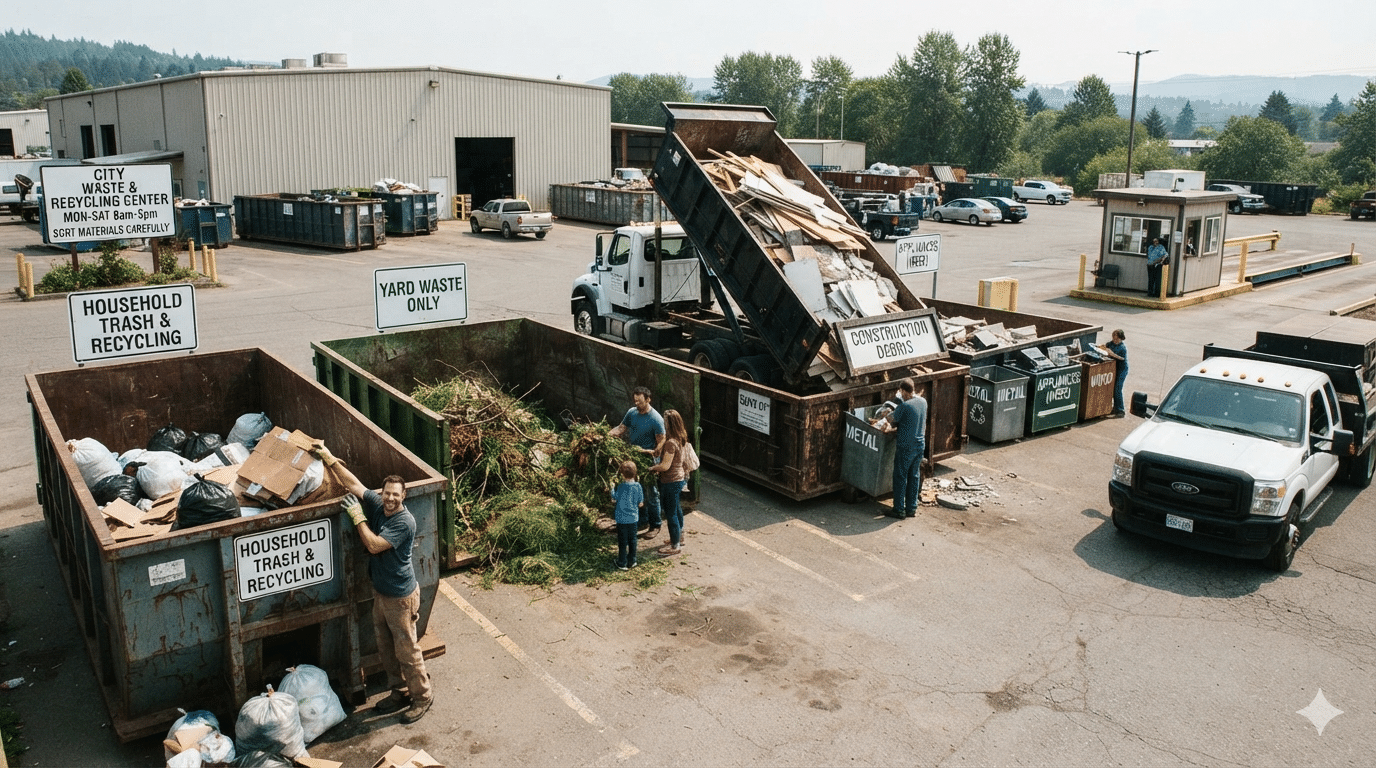
Finding a dump near me can save you time when you need to remove unwanted waste. It can also help you keep your home, yard, or work area clean. However, not every dump accepts the same types of materials. Some locations take household trash, while others focus on construction debris, yard waste, or recycling.
Before you load your vehicle, it is smart to check what the site accepts. You should also check opening hours, disposal fees, vehicle rules, and location details. A few minutes of planning can prevent a wasted trip.
Local waste facilities may have different names. You might see terms such as landfill, transfer station, waste center, recycling center, or disposal facility. These places can serve different purposes. This guide explains how to find the right option and what to check before visiting.
What Does “Dump Near Me” Mean?
The phrase dump near me usually refers to a local place where people can take unwanted materials. These locations may include landfills, transfer stations, and public waste facilities. The exact services depend on the facility and local rules.
Some sites accept normal household garbage. Others accept bulky items, furniture, appliances, or yard waste. Construction sites may handle materials such as concrete, wood, drywall, and other debris. Certain facilities also have recycling areas for metal, cardboard, electronics, or other materials.
It is important to understand that a dump is not always a simple place for every type of waste. Rules can vary from one location to another. Some items may require special handling. Hazardous materials may also be banned.
Knowing the facility’s rules before you visit makes disposal easier. It can also help you avoid extra fees or rejected loads.
How to Find a Dump Near Me
The easiest way to find a dump near me is through an online map or local waste service website. Search for terms such as landfill, transfer station, waste disposal center, or recycling center.
Look at the distance from your home before choosing a location. A facility that is slightly farther away may offer better prices or more services. Reviews can also provide useful information about wait times and customer service.
Always check the official facility information when possible. Business listings can sometimes show old hours or outdated rules. Waste facilities may change their schedules during holidays or special events.
You should also check whether the site serves residents, businesses, or both. Some locations require proof of local residency. Others may have different fees for commercial vehicles.
Making a short list of nearby facilities can help you compare your choices. This is especially useful when you have a large amount of waste.
What Types of Waste Can You Take?
Different waste facilities accept different materials. Common items include household trash, furniture, cardboard, paper, yard waste, and some types of building debris.
Some facilities accept large items such as mattresses, tables, chairs, and old cabinets. Others have separate areas for these materials. Recycling centers may accept glass, metal, plastic, paper, and cardboard.
Construction waste can have different rules. Concrete, bricks, roofing materials, and treated wood may need special handling. Always ask before bringing unusual materials.
Electronic waste may also require a separate recycling program. Items such as computers, televisions, and certain appliances should not automatically go into regular trash.
Before visiting a dump near me, make a list of everything you plan to dispose of. Then check whether each item is accepted. This simple step can save you a second trip.
What Items Are Usually Not Accepted?
Not every waste product can be taken to a regular landfill or transfer station. Some materials can create safety or environmental problems.
Hazardous chemicals are a common example. Paint, solvents, pesticides, fuel, and certain cleaning products may need special disposal. Batteries can also have separate recycling requirements.
Medical waste, asbestos, gas cylinders, explosives, and other dangerous materials may be restricted. Rules differ by location, so never assume an item is accepted.
If you have something unusual, contact the facility first. Tell them exactly what the material is. They can explain whether they accept it and where you should take it.
This is especially important for businesses and renovation projects. Large quantities of restricted materials may require approved disposal services.
Following local rules protects workers, visitors, and the environment. It also prevents you from arriving with a load that the facility cannot accept.
Dump, Landfill, or Transfer Station: What Is the Difference?
People often use the words dump and landfill in the same way. However, waste facilities can operate differently.
A landfill is designed for the long-term disposal of waste. Waste is placed in controlled areas and managed according to local environmental requirements.
A transfer station usually works differently. Waste is collected there and later moved to another facility. Transfer stations can make local waste collection more efficient.
A recycling center focuses on recovering useful materials. Items are sorted and processed for reuse or recycling.
When searching for a dump near me, check which type of facility you actually need. A recycling center may be better for cardboard or metal. A transfer station may be better for household garbage.
Understanding these differences helps you choose the right location. It also makes the disposal process faster and more convenient.
How Much Does Local Waste Disposal Cost?
Disposal prices vary widely between facilities. Some locations offer free disposal for certain materials. Others charge by weight, volume, item, or vehicle type.
Household waste may have a simple minimum fee. Larger loads can cost more because they require additional handling. Construction debris may also have separate rates.
Some facilities charge different prices for residents and commercial customers. A local resident may receive a lower rate than a contractor.
Before visiting a dump near me, check the current pricing information. Ask whether there is a minimum charge. You should also ask about payment methods.
Some facilities accept cash, cards, or other payment options. Knowing this before you arrive can make the visit much smoother.
If you have a large load, compare several facilities. A slightly longer drive could sometimes reduce your total disposal cost.
What Should You Bring to a Dump?
The items you bring depend on your waste type. However, a little preparation can make the process much easier.
Bring your waste securely packed in your vehicle or trailer. Loose materials can fall onto roads and create safety hazards. Use bags, boxes, bins, or covers when appropriate.
You may also need identification or proof of residency. Some facilities require these documents before allowing disposal.
Bring a payment method accepted by the facility. If the site charges by weight, the final cost may not be known until your load is weighed.
Wear suitable clothing and closed-toe shoes. Waste facilities can have uneven surfaces, heavy equipment, dust, and moving vehicles.
If you are visiting a dump near me for the first time, follow posted signs carefully. Staff instructions should always take priority over assumptions about where to unload.
How to Prepare Your Vehicle for Waste Disposal
Your vehicle should be suitable for the amount and type of waste you are carrying. A car may work for small bags, but larger loads may require a pickup or trailer.
Keep waste contained during transportation. Use straps, tarps, or secure containers when needed. This reduces the chance of materials falling onto the road.
Separate materials before loading if the facility has recycling areas. For example, cardboard and metal may need to go to different locations.
Avoid overloading your vehicle. Too much weight can affect braking, steering, and vehicle control. It can also damage tires or suspension components.
If you are moving bulky items, plan how they will be unloaded. Some facilities require visitors to unload their own materials.
Good preparation can make your trip faster. It can also reduce the chance of damage to your vehicle or belongings.
When Is the Best Time to Visit?
The best time to visit a waste facility depends on its operating schedule. Some locations are busier during weekends and late mornings.
Early visits may sometimes have shorter lines. However, you should always confirm opening times before leaving home.
Weather can also affect your trip. Rain can make outdoor unloading areas muddy or slippery. Hot weather can make physical unloading more difficult.
If you have a large load, give yourself enough time. Rushing can lead to mistakes or unsafe handling.
Check for holiday closures as well. Government-operated facilities may have special schedules throughout the year.
Before leaving for a dump near me, confirm the current hours. Also check whether the facility has special hours for certain materials.
A quick phone call can sometimes answer questions that online listings do not explain clearly.
How to Save Money on Waste Disposal
You can often reduce disposal costs by sorting your waste before leaving home. Recycling materials may cost less or may be accepted separately.
Donate usable items instead of throwing them away. Furniture, clothing, tools, and household goods may still have value.
You can also reduce the size of your disposal load by breaking down large cardboard boxes. Smaller materials are often easier to transport.
Compare disposal fees at several facilities. Look at the full cost, including travel distance and minimum charges.
If you are completing a home renovation, separate recyclable materials from general debris. Some facilities offer different pricing for different materials.
For larger projects, a dumpster rental may be more convenient. A junk removal company can also handle loading and transportation.
Choosing the right disposal method can save both money and effort. It also keeps useful materials out of landfills.
When Should You Use a Junk Removal Service?
A junk removal company may be useful when you have too much waste to handle yourself. This option can save time because workers usually load and transport the materials.
It can be helpful for furniture, appliances, garage cleanouts, and estate cleanouts. It may also work well when you do not have a suitable vehicle.
However, junk removal often costs more than taking waste yourself. The price usually includes labor, transportation, and disposal.
If you only have a few bags of household waste, visiting a local facility may be simpler. Larger or heavier loads may make professional removal more attractive.
When comparing a dump near me with junk removal, consider your time and physical effort. The cheapest option is not always the most convenient one.
Ask the removal company where the waste goes. A responsible provider should explain its disposal or recycling process clearly.
How Recycling Can Reduce Landfill Waste
Recycling helps recover materials that can be used again. It can reduce the amount of waste sent to landfills.
Common recyclable materials include paper, cardboard, glass, aluminum, and certain plastics. However, accepted materials vary by location.
Some communities also have special recycling programs for electronics and household appliances. These programs can help keep useful materials out of regular trash.
Before visiting a dump near me, separate recyclable items when possible. Ask the facility where each material should go.
Recycling can also reduce disposal costs at some facilities. More importantly, it supports better waste management.
Businesses can benefit from recycling programs as well. Separating materials can reduce general waste and improve workplace organization.
Even small sorting efforts can make a difference. A few extra minutes at home can help keep valuable materials in use.
Safety Tips for Visiting a Waste Facility
Waste facilities can have heavy machinery, large vehicles, uneven ground, and moving equipment. Visitors should remain alert at all times.
Follow speed limits and posted signs. Stay inside marked visitor areas and listen to facility workers.
Never climb onto unsafe piles or enter restricted areas. Heavy equipment operators may have limited visibility around their vehicles.
Wear closed shoes and suitable clothing. Gloves can also help when handling rough materials.
Keep children and pets away unless the facility specifically allows them. Many disposal sites are working environments rather than public recreation areas.
Secure your load before driving to the site. Loose items can fall from vehicles and create serious road hazards.
If you are unsure about where to unload, ask an employee. It is better to ask a simple question than make an unsafe choice.
What to Check Before Choosing a Dump Near Me
Choosing the closest facility is not always the best option. You should compare several important factors before making your decision.
First, check whether the site accepts your waste. Next, review its hours and disposal fees. Then check whether residents or businesses have different requirements.
Look at the facility’s location and access roads. A place that accepts your materials may still be difficult to reach with a trailer.
You should also check payment methods. Some facilities may not accept every payment type.
Reviews can provide useful clues about customer experiences. However, official facility information should be your main source for rules and current hours.
When comparing a dump near me, focus on convenience, cost, accepted materials, and safety. These factors will help you make a better choice.
Questions to Ask Before You Leave Home
A few questions can prevent problems during your disposal trip. Start by asking whether the facility accepts your specific materials.
Then ask about pricing. Find out whether the facility charges by weight, volume, item, or vehicle.
You should also ask about minimum fees. A small load may still have a basic disposal charge.
Check whether you need identification or proof of residency. Some facilities may have special requirements for commercial customers.
Ask about recycling options too. You may be able to dispose of certain materials separately.
Finally, confirm the opening hours for the day you plan to visit. Holiday schedules can be different.
These simple questions make your trip easier. They also help you avoid unnecessary driving and unexpected costs.
Frequently Asked Questions
1. How do I find a dump near me?
Search online for local landfills, transfer stations, waste centers, and recycling facilities. Check the official facility information before visiting. Look at the address, accepted materials, hours, fees, and customer requirements. Map listings can help you find nearby options, but official sources are better for current rules. You can also contact your local waste management department for guidance.
2. Can I take household garbage to a local dump?
Many waste facilities accept household garbage, but rules vary. Some locations only serve local residents. Others may charge based on weight or vehicle size. Check the facility’s current rules before loading your vehicle. Ask whether bags, bulky items, food waste, and other household materials are accepted.
3. Can I take furniture to a dump?
Some facilities accept furniture such as chairs, tables, mattresses, and cabinets. Others may have separate areas for bulky waste. You should confirm the rules before visiting. If the furniture is still usable, donation may be a better option. This can keep useful items out of the waste stream.
4. Are dumps open on weekends?
Some facilities operate on weekends, while others close on Saturdays or Sundays. Hours can also change during holidays. Always check the current schedule before making your trip. If you have a large load, visiting during less busy hours may make unloading easier.
5. Do dumps charge a disposal fee?
Many facilities charge disposal fees. The amount can depend on the waste type, load size, weight, or vehicle. Some locations have free recycling services for selected materials. Always check current pricing before you leave. This helps you prepare the correct payment method and budget.
6. What should I do with hazardous waste?
Do not place hazardous materials into regular household waste unless the facility specifically allows them. Contact your local waste authority for proper disposal instructions. Items such as chemicals, fuels, pesticides, and some batteries may require special handling. Proper disposal protects people and the environment.
Final Thoughts on Finding a Dump Near Me
Finding the right dump near me is easier when you plan ahead. Start by identifying the type of waste you need to remove. Then find a local facility that accepts those materials.
Check the hours, fees, accepted items, and payment rules before leaving home. Prepare your vehicle and secure your load properly. Separate recyclable materials whenever possible.
Remember that the closest facility may not always be the best choice. A different waste center may offer better prices or accept more materials.
For small loads, taking waste yourself can be simple and affordable. Larger cleanouts may be easier with a dumpster or professional junk removal service.
The goal is not only to remove unwanted items. Good waste disposal also means making safe and responsible choices. With a little preparation, your next disposal trip can be faster, safer, and much less stressful.