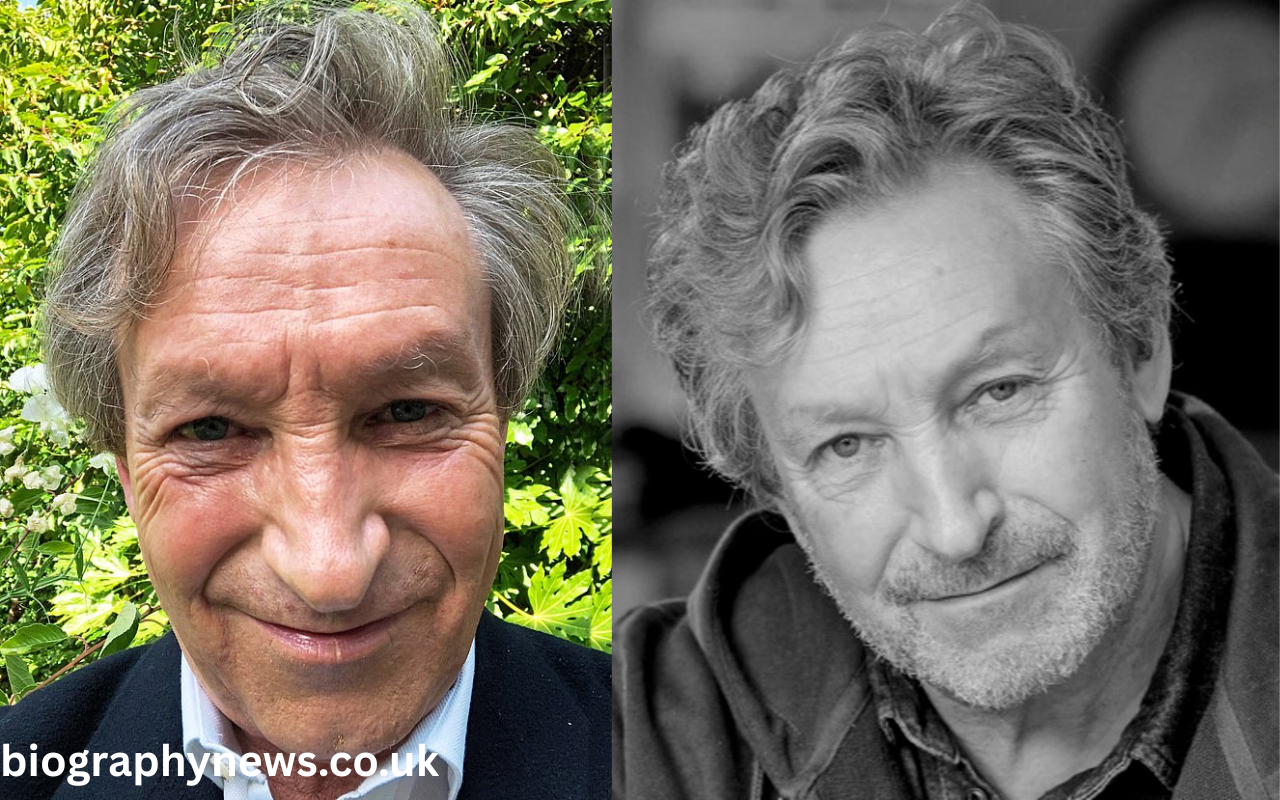
Tommy Boyd was born in 1952 in West London, a city buzzing with culture and entertainment. Growing up, he developed a deep fascination with media, captivated by television shows and radio broadcasts that shaped his imagination. As a young boy, Boyd often mimicked the voices of his favorite presenters, hinting at the natural talent that would later define his career. His early environment fostered a curiosity for connecting with audiences and understanding how media could influence people of all ages.
During his school years, Boyd actively participated in performances and public speaking, honing the skills necessary for a life on stage and behind the microphone. His personality blended humor with confidence, traits that would later allow him to navigate both the playful world of children’s television and the more serious, unpredictable realm of talk radio. Even as a teenager, he displayed an ability to read and respond to audiences, a skill that would become central to his broadcasting style.
By the time Boyd was entering his early twenties, his interest in broadcasting had become a clear goal. He pursued opportunities in local radio, eager to gain experience and experiment with formats that allowed him to engage directly with listeners. This period laid the foundation for a career that would eventually span over five decades, demonstrating his adaptability and vision in both television and radio.
Breaking into Television: Magpie and Wide Awake Club
Tommy Boyd first captured the nation’s attention through television, particularly with the iconic show Magpie. Taking over as a presenter, Boyd brought a fresh energy to the children’s program, combining curiosity, humor, and an approachable style. Audiences appreciated his ability to communicate directly with children while maintaining a sense of playful sophistication that appealed to adults as well. This early exposure helped him establish a memorable presence in British pop culture.
Following Magpie, Boyd became a regular figure on the Wide Awake Club, a Saturday morning children’s show that offered games, interviews, and audience participation. His dynamic personality and quick wit made each episode lively, encouraging young viewers to engage actively with the show. The success of this series reinforced Boyd’s reputation as a presenter who could blend entertainment with genuine connection, making him one of the most popular faces on UK children’s television during the 1980s.
Boyd also experimented with other children’s shows, including WAC Extra, which allowed him to explore different formats and deepen his understanding of live broadcasting. These experiences gave him confidence in improvisation and audience management, both of which would later prove invaluable as he transitioned into talk radio. His early TV work remains celebrated among fans of classic British television for its warmth, creativity, and pioneering spirit.
The Transition to Radio: Engaging Listeners
While television gave Tommy Boyd initial fame, it was radio where his talents truly flourished. Boyd started hosting shows on local stations, such as LBC, where he was given the freedom to interact directly with listeners. His early programs often combined playful banter, quizzes, and music, creating a vibrant atmosphere that kept audiences coming back week after week. He quickly became known for his engaging style, blending humor, wit, and thoughtful conversation.
Boyd’s radio approach differed from traditional presenters of the time. He prioritized audience involvement, encouraging callers to share opinions, stories, and sometimes heated debates. This unfiltered engagement, although occasionally unpredictable, became a defining characteristic of his work. Listeners felt a personal connection to Boyd, knowing their voices could be heard live on air without censorship.
Over time, his radio skills evolved to include more structured formats, balancing entertainment with information. Whether hosting morning shows, weekend slots, or late-night phone-ins, Boyd consistently demonstrated the ability to adapt his style to fit the audience and medium. These years were crucial for establishing his reputation as a versatile and fearless broadcaster.
The Human Zoo: Controversy and Popularity
One of Tommy Boyd’s most notable ventures was the The Human Zoo on Talk Radio UK, later known as talkSPORT. The program featured unscreened live calls, giving listeners a platform to express opinions freely, often sparking heated debates. The unpredictability of the show drew both admiration and criticism, marking a departure from more controlled radio formats. Boyd’s willingness to allow controversial topics on air made him a bold figure in British broadcasting.
The Human Zoo showcased Boyd’s talent for moderation and quick thinking, as he navigated complex and sometimes provocative conversations. Listeners were drawn to the authenticity of the show, where real voices and real opinions created a unique sense of community. This interactive approach influenced subsequent generations of radio hosts, who adopted more open-ended discussion formats inspired by Boyd’s success.
However, controversy was inevitable. On several occasions, live calls included offensive or threatening remarks that tested the limits of broadcasting standards. While these incidents occasionally led to scrutiny from regulators, they also cemented Boyd’s image as a presenter unafraid to challenge norms, blending entertainment with raw, unfiltered reality in a way that few contemporaries attempted.
National Recognition and TalkSPORT Career
Tommy Boyd’s transition to national radio brought him broader recognition. His work on talkSPORT allowed him to reach audiences across the United Kingdom, bringing his distinctive style to millions of listeners. Shows like his weekday afternoon slot combined sports commentary, listener engagement, and topical discussions, creating an interactive experience that set him apart from other presenters.
Boyd’s national exposure highlighted his unique ability to balance entertainment with seriousness. While he often entertained audiences with humor and quirky observations, he also tackled pressing issues and encouraged thoughtful debate. This blend made his programs dynamic and unpredictable, keeping listeners engaged for hours.
Despite his popularity, Boyd’s career at talkSPORT was not without turbulence. Unscreened calls sometimes led to situations that tested broadcasting rules. These challenges reflected the broader tension between creative freedom and regulatory standards in talk radio, underscoring Boyd’s role as a pioneering, if controversial, figure in UK media.
Later Career: Podcasts and Online Broadcasting
After leaving talkSPORT, Tommy Boyd embraced the changing landscape of media. He began producing podcasts and online shows, adapting his style to suit new digital platforms. Podcasts like The Wonderful Hour allowed him to reconnect with long-time fans while introducing his work to a younger, internet-savvy audience. These shows often blended nostalgia, personal reflection, and lively discussions, reflecting Boyd’s signature style.
In addition to podcasts, Boyd experimented with internet radio, hosting programs on Play Radio UK and other online stations. These ventures allowed him to maintain the free-flowing interaction that defined his radio career, connecting with audiences without the constraints of traditional broadcasting. His adaptability showcased his commitment to communication and his willingness to evolve with technology.
Boyd also made guest appearances on local radio stations, such as Brighton’s Regency Radio, where his presence rekindled excitement among loyal listeners. By embracing both legacy and emerging platforms, he ensured that his voice remained relevant and influential, proving that even in a rapidly changing media landscape, his approach to audience engagement was timeless.
Legacy and Influence on Broadcasting
Tommy Boyd’s legacy in British media is far-reaching. He is celebrated for pioneering formats that encouraged genuine listener participation and for pushing the boundaries of traditional broadcasting. His influence is evident in contemporary talk radio, where open debates and unscreened audience interaction have become common. Boyd’s fearless approach continues to inspire broadcasters to engage authentically with their audiences.
Fans have created dedicated communities to celebrate Boyd’s career, such as the Tommy Boyd Shrine, an online platform preserving his broadcasts, podcasts, and memories. These communities not only honor his work but also highlight the impact of his style on multiple generations, bridging the gap between older audiences and new listeners discovering his programs online.
Even beyond the technical aspects of radio, Boyd is recognized for his humanity and humor. He cultivated an environment where listeners could express themselves freely, feel heard, and be entertained simultaneously. This ability to balance authenticity, connection, and entertainment cements his status as a legend in both British television and radio.
Leigh Lawson: The Life and Legacy of a Legendary English Actor and Storyteller
Tommy Boyd Today: Continuing to Inspire
Today, Tommy Boyd remains a respected and admired figure in media. He continues to produce content through podcasts and occasional live broadcasts, reaching audiences who appreciate both his historical contributions and his ongoing creativity. His career trajectory exemplifies adaptability, showing how one can evolve alongside changing technologies while maintaining a distinctive voice.
Boyd’s influence persists not only through his content but also through the broadcasters who have followed in his footsteps. Many contemporary presenters cite his pioneering work in interactive talk radio as foundational to their own approach. His blend of spontaneity, humor, and thoughtful engagement has become a blueprint for modern media personalities.
As the media landscape continues to shift, Tommy Boyd remains an enduring symbol of creativity and courage. His lifelong dedication to connecting with audiences, challenging conventions, and embracing change demonstrates that great broadcasting is about more than talent—it is about authenticity, curiosity, and the willingness to listen.