Florrie Dugger, born Florence Elizabeth Dugger on May 12, 1962, entered the world on a United States Air Force base in Chicksands, Bedfordshire, England. Growing up in a military family meant that her childhood was shaped by discipline, structure, and frequent relocations. These experiences exposed her to diverse cultures and environments, providing a unique foundation that influenced both her personality and her approach to life before stepping into the entertainment world.
From a young age, Florrie exhibited an interest in creative activities. Despite the regimented lifestyle of a military upbringing, she participated in school plays and community events, discovering an early passion for performing. These formative experiences allowed her to develop confidence and a sense of individuality, which would later become essential for her brief yet memorable career in acting.
Her early life combined ordinary childhood experiences with the extraordinary circumstances of living on a military base. The balance of structure, discipline, and opportunities for self-expression shaped Florrie’s character and prepared her for the challenges and responsibilities she would face when stepping into the film industry as a child performer.
The Breakthrough Role in Bugsy Malone
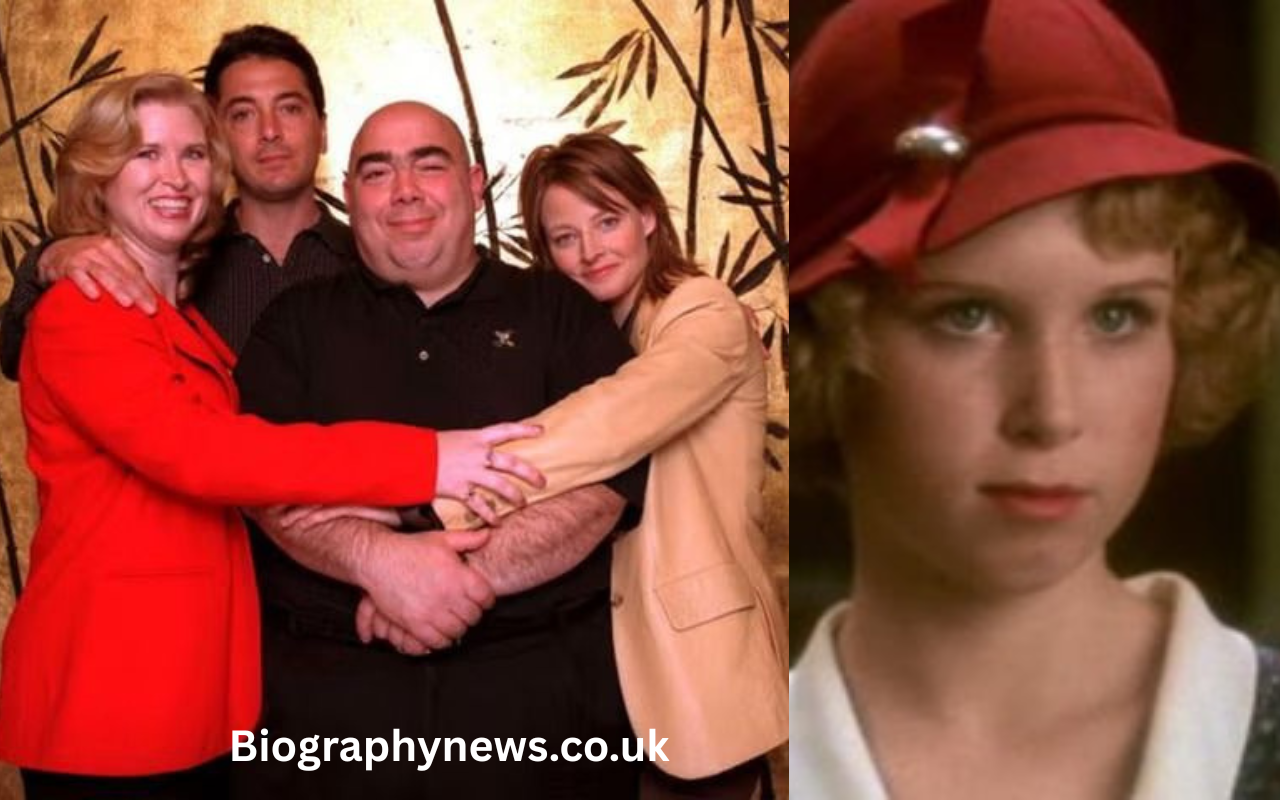
Florrie Dugger rose to fame at the age of 13 when she was cast as Blousey Brown in the 1976 musical film Bugsy Malone, directed by Alan Parker. The film featured an all-child cast portraying a whimsical version of gangsters during Prohibition-era America, blending musical numbers with imaginative storytelling. Blousey Brown became a central character, and Florrie’s performance left a lasting impression on audiences for its charm, warmth, and vocal talent.
Although she was not originally cast for the role, circumstances opened the door for her to play Blousey Brown. Her ability to deliver lines confidently, combined with her natural singing and stage presence, convinced the filmmakers that she was the ideal choice. This sudden opportunity became a defining moment in her young life, allowing her to showcase her talents on a major film set.
Florrie’s portrayal of Blousey Brown was remarkable for its emotional depth and authenticity, especially given her age. She managed to balance the character’s innocence with the complexities of love and ambition, creating a performance that resonated with viewers. Her dedication and professionalism on set set her apart from her peers and contributed to the enduring success of the film.
Life on the Set of Bugsy Malone
Working on the set of Bugsy Malone offered Florrie a unique blend of challenges and opportunities. The film’s creative approach combined music, comedy, and drama, requiring her to rehearse extensively, perfect her choreography, and convey a wide range of emotions convincingly. This early experience taught her important lessons about discipline, collaboration, and perseverance in a professional environment.
The atmosphere on set encouraged collaboration among the young actors. Florrie worked alongside talented peers, including Jodie Foster and Scott Baio, forming friendships that enriched her experience. The supportive environment allowed her to learn from others while confidently contributing her own talents, fostering both skill and camaraderie.
Despite her youth, Florrie quickly adapted to the demands of a professional film set. Long shooting days and the need for precision in musical performances and dialogue delivery required focus and resilience. These experiences shaped her understanding of responsibility and artistic commitment, laying the groundwork for the personal growth she would carry into adulthood.
Decision to Leave Acting
Despite her early success, Florrie Dugger chose not to pursue a long-term career in acting. After the release of Bugsy Malone, she recognized that the pressures and public attention associated with the entertainment industry did not align with her personal goals. She preferred a life where she could explore her interests without the scrutiny that often accompanies fame.
Her decision reflected a desire to prioritize personal growth and stability over career advancement. While some child actors continued seeking opportunities in film and television, Florrie focused on education, family, and personal development. She recognized that happiness and fulfillment could be found outside the glare of the spotlight, demonstrating a maturity uncommon among performers of her age.
Stepping away from acting did not diminish the impact of her performance. Florrie’s portrayal of Blousey Brown continued to resonate with audiences, proving that even a brief career could leave a lasting mark. Her choice highlighted the value of self-direction and the importance of making decisions that align with one’s personal vision of a meaningful life.
Personal Life and Growth
In adulthood, Florrie Dugger embraced a private life and became known by her married name, Florence Garland. She focused on family, community involvement, and personal interests, choosing to build a life grounded in privacy rather than public recognition. This transition illustrates her deliberate decision to define herself on her own terms rather than by her early fame.
Florrie’s commitment to a quieter life reflects her understanding that personal satisfaction often outweighs the allure of celebrity. She nurtured relationships, pursued hobbies, and engaged in activities that provided genuine fulfillment. These choices allowed her to cultivate stability and a sense of identity beyond her childhood role in film.
Although she did not continue in the entertainment industry, Florrie’s early experiences influenced her worldview. The lessons of discipline, teamwork, and resilience she gained as a child performer informed her approach to adult responsibilities and personal endeavors, helping her lead a balanced and meaningful life.
Legacy of Blousey Brown
Florrie Dugger’s portrayal of Blousey Brown remains a beloved part of Bugsy Malone’s enduring appeal. Her character is remembered for emotional depth, vocal talent, and a charm that resonated with audiences of all ages. Even decades later, fans revisit the film, appreciating the warmth and sincerity she brought to the role, which helped cement the movie as a cult classic.
Her performance continues to inspire admiration because it highlights the power of a single, well-executed role. Florrie’s work serves as a reminder that even a short-lived career can leave a meaningful mark when executed with talent and dedication. Blousey Brown’s presence in the film showcases how authenticity and skill can create lasting impact.
Florrie’s legacy extends beyond the screen, symbolizing both the potential of child performers and the importance of personal choice in pursuing life paths. Her story demonstrates that leaving the spotlight does not diminish influence and that memorable artistry can endure independently of ongoing fame.
Public Perception and Continued Interest
Interest in Florrie Dugger remains strong due to her memorable performance in Bugsy Malone and the nostalgia associated with the film. Fans continue to share memories, clips, and discussions online, keeping her work alive for both original audiences and new generations discovering the movie. The fascination with her life and career persists, partly because she chose a private life after early success.
The mystery surrounding her post-acting years contributes to her continued allure. Unlike many child stars who remain in public view, Florrie’s choice to step away and live a private life has sparked curiosity while simultaneously earning respect from fans and critics. Her story represents a rare balance of talent and personal agency in the world of entertainment.
Public perception of Florrie Dugger combines admiration for her artistic contribution with appreciation for her life choices. Her legacy is shaped by the ability to inspire audiences with a single role while maintaining autonomy over her personal journey. This combination of skill and authenticity ensures that she remains a figure of enduring interest in film history.
Influence on Child Actors and Cinema
Florrie Dugger’s life and career provide insights into the experiences of child actors and the impact they can have on film. Her performance in Bugsy Malone demonstrated that even a brief career can create cultural significance when talent and authenticity are present. Her choice to leave the industry highlights the importance of personal agency, showing that success can be measured in influence rather than duration.
Her work in the film contributed to evolving standards for child-centered performances, emphasizing the importance of emotional depth and musical skill. By excelling in a challenging and unique role, she helped establish a benchmark for young performers in cinematic storytelling, influencing both her contemporaries and those who followed.
Florrie Dugger’s story also underscores the enduring power of early achievement. She serves as a model for balancing talent, opportunity, and personal choice, proving that leaving the spotlight does not erase one’s legacy. Her life exemplifies the lasting influence a single performance can have on audiences, culture, and film history.
Read More: Donna Peele: Life, Career, and Legacy of Charlie Sheen’s First