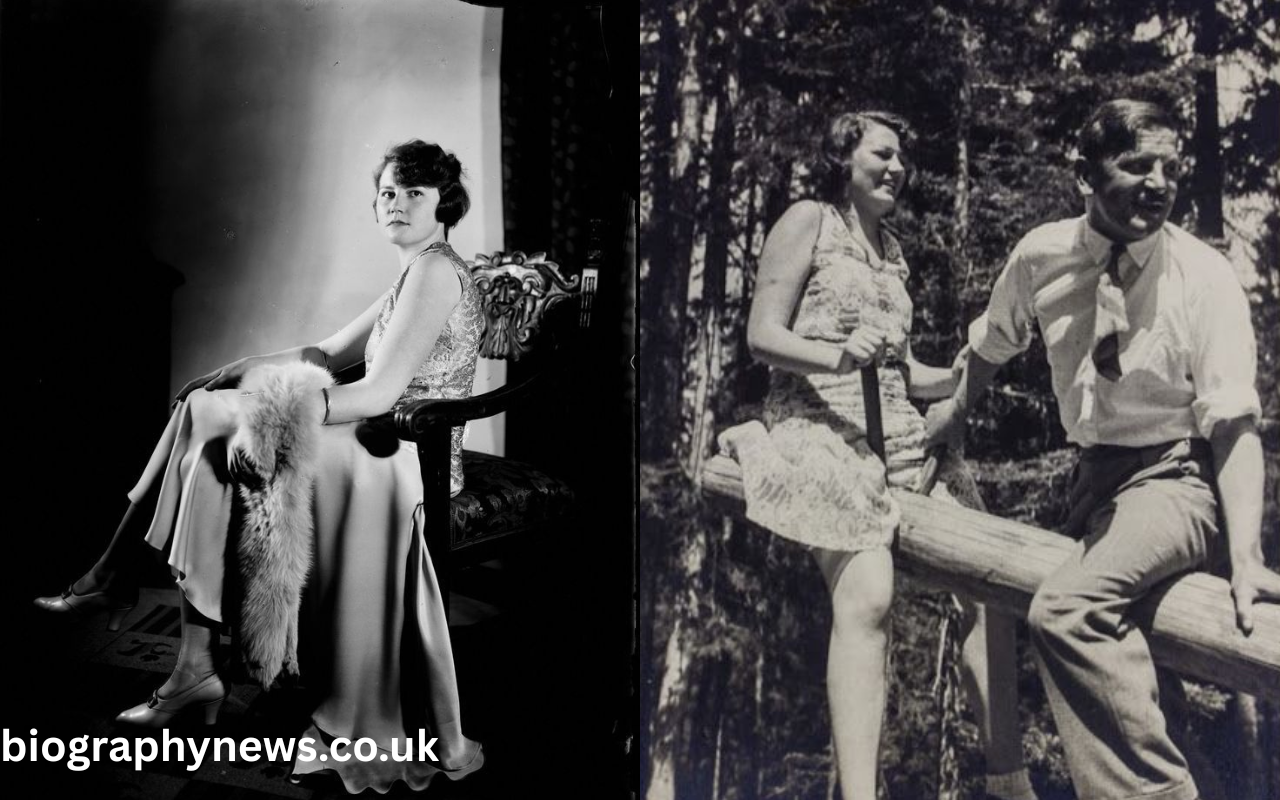
Who Was Geli Raubal?
Geli Raubal, born Angela Maria Raubal on June 4, 1908, in Linz, Austria-Hungary, was the eldest daughter of Leo Raubal Sr. and Angela Raubal, Adolf Hitler’s half-sister. From an early age, Geli’s life was marked by loss and uncertainty. Her father passed away when she was just two, leaving her mother to navigate a challenging environment while raising three children. This early instability shaped much of her childhood and influenced her later life decisions.
Geli’s connection to Adolf Hitler would come to define her existence. She became increasingly intertwined with her uncle’s life as he rose to power, spending extended periods in Munich under his watchful eye. Despite the seemingly familial bond, their relationship was complex, fraught with psychological tension and speculation that has continued to intrigue historians for decades.
Her story is remembered today as a blend of personal ambition, family loyalty, and tragedy. Geli Raubal remains a compelling figure because her life provides a glimpse into the private world of Hitler, shedding light on how personal relationships intersected with historical events during a turbulent era in European history.
Early Life and Family Background
Geli Raubal grew up in a household that faced financial and emotional challenges. Her mother, Angela, was closely tied to Hitler and later moved to Munich to work in his household. Geli spent much of her youth navigating the demands of her family while also developing her own ambitions. She received a solid education and was known to be intelligent and determined, even in an environment constrained by social expectations for women at the time.
After completing her secondary education, Geli briefly studied medicine, displaying a strong desire to pursue a professional path. Her interest in higher education was unusual for women in that era, showing a strong independent streak. However, her familial connections, particularly to Hitler, soon had a profound impact on her personal freedoms and career choices.
The combination of familial loyalty, societal expectations, and personal ambition created an environment of tension for Geli. Her early life was marked by both promise and restriction, with the shadow of her uncle looming over decisions she might have otherwise made freely. These early influences played a critical role in shaping her later experiences and eventual tragic end.
Living With Adolf Hitler
In 1929, Geli moved into Hitler’s Munich apartment, ostensibly to pursue her education while staying close to family. At first, this arrangement seemed practical, offering her stability and support. However, the situation quickly became controlling, as Hitler exhibited possessive tendencies and closely monitored her daily life. His influence limited her personal freedom, including her friendships and romantic relationships.
The restrictions imposed by Hitler were severe, creating tension and frustration for Geli. Her relationship with her uncle was reportedly marked by emotional manipulation and overbearing supervision. Despite these challenges, she remained in the household, caught between familial obligation and a desire for independence.
Life in Hitler’s apartment highlights the complexity of their relationship. Geli was a young woman with aspirations, yet she was subjected to the control of a powerful and domineering figure. This environment fostered a growing sense of isolation, which historians often consider a factor in her later emotional struggles.
Relationship With Hitler: Control and Speculation
The nature of Geli’s relationship with Adolf Hitler has long been a subject of historical debate. While publicly described as a familial bond, accounts suggest an unusual intensity and possessiveness that has led to speculation about a deeper emotional or romantic element. Hitler’s devotion to Geli was extreme, with reports noting that he controlled her interactions and monitored her closely.
Contemporaries noted that Hitler’s behavior toward Geli was far beyond typical uncle-niece dynamics. He appeared obsessed with her presence, attending cultural events together and often walking alongside her in public. This level of attention sparked rumors and questions, both during their lives and after her death, about the true nature of their connection.
Despite widespread speculation, there is no definitive evidence proving a romantic relationship. Most historical accounts point to the controlling nature of their bond as the most significant aspect, highlighting Geli’s limited autonomy and the psychological pressure imposed by her uncle. The intensity of their relationship remains one of the most discussed personal stories in studies of Hitler’s private life.Z
Academic and Personal Ambitions
Before her life became dominated by Hitler, Geli Raubal showed a strong desire to carve her own path. She initially pursued studies in medicine, a field that demanded dedication and intelligence. Her decision to enter higher education was a reflection of her ambition and independence, showcasing her drive to pursue a meaningful professional life.
Her academic pursuits were disrupted as Hitler exerted increasing influence over her decisions. She eventually shifted her focus to musical training, particularly singing, which aligned with Hitler’s preferences and kept her under his supervision. While this provided some opportunities, it also limited her independence and redirected her life away from her original aspirations.
This loss of control over her personal ambitions is an essential aspect of Geli’s story. It illustrates the tension between her natural intelligence and creativity and the constraints imposed by a powerful figure in her life. Her thwarted potential remains a poignant reminder of the personal costs of living under the shadow of domination.
The Tragic Death of Geli Raubal
Geli Raubal’s life ended abruptly on September 18, 1931, when she was found dead in Hitler’s Munich apartment from a gunshot wound. The weapon belonged to Hitler, and the official verdict declared her death a suicide. She was only twenty-three years old, and the circumstances of her passing sparked widespread speculation.
The investigation into her death was limited, leaving many questions unanswered. Some historians argue that political pressure and Hitler’s rising prominence may have influenced the official findings. Alternative theories, including accidental discharge or foul play, have persisted, though none have been definitively proven.
Her death remains one of the most discussed personal tragedies linked to Hitler. The lack of clarity surrounding the circumstances has ensured that Geli’s story continues to captivate researchers and the public, representing both a historical mystery and a human loss.
Hitler’s Reaction and Psychological Impact
Hitler was reportedly devastated by Geli Raubal’s death. Accounts suggest he entered a period of deep mourning, withdrawing temporarily from public life. His grief appears to have been intense, and he later described Geli as the only woman he had ever truly loved. This declaration has fueled both historical analysis and speculation regarding his emotional state.
The impact of her death on Hitler’s psychological profile is significant. Some historians suggest that the event hardened his emotional responses, intensifying his focus on political ambition. Geli’s passing marked a turning point in his personal life, influencing the way he managed relationships and perceived emotional attachments thereafter.
Hitler maintained a degree of obsession with her memory, preserving personal items and portraits. These acts underscore the importance of Geli in his personal life and highlight how her loss affected him deeply, leaving a lasting imprint on his emotional and psychological world.
Read More: Jade Jagger: The Iconic Designer Shaping Jewelry, Art, and Lifestyle
Legacy and Historical Significance
Geli Raubal’s life and death have left a lasting mark on historical studies of Hitler and the Nazi era. She is often remembered as a young woman with potential and ambition, tragically constrained by her family circumstances and the dominance of a powerful relative. Her story offers insights into the private dimensions of historical figures and the human consequences of control and obsession.
Her tragic narrative has inspired books, documentaries, and scholarly discussions. Historians analyze her life not only for its personal tragedy but also as a lens through which to understand the inner dynamics of Hitler’s circle. Geli’s experiences reflect broader themes of power, influence, and the personal toll of living under authoritarian figures.
Despite the uncertainties surrounding her death, Geli Raubal remains an enduring figure in historical memory. Her life illustrates the interplay between personal ambition and external control, offering a cautionary tale about the consequences of domination, obsession, and loss in a tumultuous period of European history.