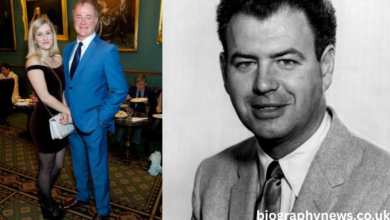
The Early Life of Greta Thunberg’s Parents
Greta Thunberg’s parents, Malena Ernman and Svante Thunberg, both come from Sweden and grew up in creative and culturally rich environments. Malena, born in Uppsala, developed a passion for music at a young age, eventually pursuing opera and studying at prestigious music institutions. Her upbringing nurtured artistic discipline and a strong sense of expression, which would later influence her role as a public figure. Svante, on the other hand, was raised in a family with ties to acting and theatre. This environment exposed him early to performance, storytelling, and the discipline required to succeed in the arts.
Both parents’ early experiences provided them with unique perspectives that combined creativity with public engagement. They were encouraged to explore their talents and embrace opportunities that allowed them to develop professionally. Malena’s music performances and Svante’s theatre involvement demanded resilience, dedication, and adaptability—traits that would become invaluable when supporting Greta’s activism. Their upbringing instilled an appreciation for culture, education, and the importance of nurturing curiosity in their children.
By the time they met and married, Malena and Svante had both cultivated a strong sense of purpose and a willingness to follow their passions. These traits translated into their family life, creating an environment where artistic and intellectual pursuits were encouraged alongside moral and social responsibility. The foundation laid in their early lives became the cornerstone of how they guided and influenced Greta and her younger sister, Beata.
Malena Ernman: From Opera Star to Environmental Advocate
Malena Ernman rose to fame as a talented opera singer, performing on international stages and representing Sweden in major competitions. Her career brought both recognition and challenges, requiring extensive travel, rigorous schedules, and constant public attention. Through her achievements, she became known not only for her vocal skill but also for her versatility, performing across classical, contemporary, and pop‑opera genres.
As Greta’s environmental activism emerged, Malena’s life took a transformative turn. Inspired by her daughter’s dedication to climate change, she adopted several lifestyle changes to reduce her carbon footprint. Malena gave up flying for performances and adjusted her professional engagements to align with sustainable practices. These changes demonstrated her willingness to prioritize environmental responsibility over convenience, setting an example of personal commitment to values.
Beyond lifestyle adjustments, Malena began using her platform to raise awareness about climate issues. She publicly discussed her family’s journey toward sustainability, sharing insights about how supporting Greta required conscious effort and dedication. Her transition from artist to environmentally conscious public figure illustrates how parental influence and personal conviction can intersect, highlighting the broader role of parents in shaping societal change.
Svante Thunberg: Supportive Father and Advocate
Svante Thunberg, Greta’s father, has a background in acting and theatre, following the footsteps of his own father. From a young age, he learned the art of performance, storytelling, and communicating with audiences—skills that later became important as he accompanied Greta on her international campaigns. His career taught him discipline, adaptability, and the ability to navigate public attention with composure.
When Greta began striking outside the Swedish parliament, Svante became her unwavering support system. He accompanied her on trips to climate conferences, helping navigate logistics while managing media attention. Svante’s role extended beyond logistical support; he provided emotional stability and guidance, ensuring that Greta’s global advocacy remained sustainable and balanced with personal wellbeing.
Svante’s journey also involved personal changes, including adopting environmentally conscious habits inspired by Greta’s activism. He shifted his lifestyle to align with principles of sustainability, demonstrating that active parental involvement can strengthen a child’s mission. His dedication reinforced the idea that activism can become a family endeavor when parents choose to participate fully in their children’s causes.
Raising Greta in a Creative and Conscious Household
Greta’s upbringing in a household influenced by opera and theatre gave her a unique perspective on expression, discipline, and performance. From a young age, she witnessed her parents’ dedication to their crafts, learning how passion and hard work shape success. These lessons translated into Greta’s approach to activism, where persistence, clarity of message, and public presence are key to inspiring change.
The Thunberg household balanced artistic pursuits with awareness of broader societal issues. Discussions about global topics, cultural engagement, and personal responsibility were common, creating an environment where curiosity and critical thinking were nurtured. Greta absorbed these values, which later informed her ability to communicate complex climate science in ways accessible to the public and media worldwide.
Family routines also emphasized conscious living. Greta’s parents encouraged healthy habits, ethical decision-making, and understanding the impact of personal choices on the planet. This upbringing laid the foundation for her commitment to environmental activism, showing how parental influence can guide a child toward lifelong values that transcend personal interest.
Family Lifestyle Changes and Environmental Commitment
Greta’s activism prompted significant lifestyle changes within her family. The Thunbergs collectively reduced their carbon footprint by embracing veganism, minimizing air travel, and adopting sustainable practices in daily life. These choices were not merely symbolic; they reflected a serious commitment to living in alignment with Greta’s climate principles.
Malena Ernman’s decision to give up international flights impacted her career but underscored the seriousness of the family’s environmental commitment. Svante also adjusted his personal habits, showing that parental support can involve both practical actions and symbolic gestures that reinforce a child’s message. These choices made the Thunbergs an example of how family unity can reinforce activism.
The family’s transformation also inspired public discussions about sustainable living. By sharing their journey, they demonstrated the challenges and rewards of aligning personal habits with environmental values. Their experience highlights that effective activism often starts at home and that parents play a critical role in modeling behavior and encouraging collective responsibility.
The Role of Siblings in Greta’s Life
Greta’s younger sister, Beata Thunberg, grew up in the same culturally rich household and pursued her own interests in music. While her focus differs from Greta’s climate activism, Beata’s path demonstrates the importance of nurturing individual talents within a supportive family. Both sisters learned to respect each other’s choices while sharing a strong sense of family solidarity.
The sibling relationship provided emotional support amid global attention and public scrutiny. Greta’s rapid rise as a climate advocate meant that Beata also navigated media attention, reinforcing the need for mutual understanding and shared resilience within the family. This dynamic illustrates how siblings can influence each other’s growth and maintain balance amid challenging circumstances.
Even as Greta became a global figure, the Thunberg sisters maintained a close bond, participating in family rituals and supporting one another’s ambitions. This cohesion reinforced the family’s core values, showing that supportive relationships and understanding among siblings can strengthen both personal and collective missions.
Public Perception of Greta Thunberg’s Parents
The public has increasingly recognized Malena Ernman and Svante Thunberg not only as Greta’s parents but also as advocates in their own right. Media coverage emphasizes their willingness to adapt lifestyles, promote environmental awareness, and support Greta’s mission. This transformation has attracted attention both in Sweden and internationally.
Critics sometimes suggest that their public profile benefits from Greta’s fame, yet their actions demonstrate genuine commitment. Adjustments in careers, personal habits, and public messaging illustrate that their influence extends beyond parental support and reflects true engagement with environmental issues. Their visibility provides a model for how families can integrate advocacy and everyday life.
The Thunbergs’ story challenges conventional ideas of parenting by showing that active involvement, shared responsibility, and public accountability can coexist with personal and professional identities. Their experience encourages broader discussions about how parents can participate meaningfully in shaping global change while maintaining family unity.
The Lasting Legacy of the Thunberg Family
Greta Thunberg’s impact as a climate activist is inseparable from the influence of her parents. Malena Ernman and Svante Thunberg provided a foundation of support, education, and values that allowed her to speak confidently on global stages. Their story demonstrates how parental guidance can cultivate resilience, empathy, and a strong sense of purpose in children.
Beyond Greta’s accomplishments, the family legacy includes the promotion of conscious living and collective responsibility. By aligning personal actions with public advocacy, they set an example for how families can contribute meaningfully to social and environmental causes. Their journey shows that change often starts within households, influencing not only children but broader communities.
Looking forward, the Thunberg family continues to inspire through their dedication and adaptability. Their story serves as a reminder that parental influence, when combined with open-mindedness and commitment, can empower the next generation to pursue meaningful, world-changing goals.
Read More: Monique Pendleberry: The Private Life and Entrepreneurial Journey of a Modern Woman