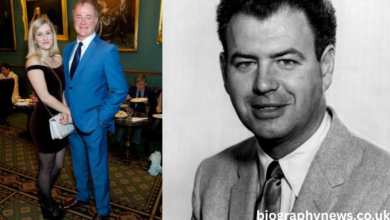
Jilly Johnson: A Glamour Icon of British Media
Jilly Johnson, born in 1953 in Queensland, Australia, is one of Britain’s most recognizable glamour models and cultural figures. She rose to fame during the 1970s, becoming synonymous with the Page 3 phenomenon in British tabloids. Her striking blonde hair, confident pose, and approachable charm made her a household name. Johnson’s early modeling career was marked by bold choices that challenged traditional norms, establishing her as a trendsetter in glamour fashion.
Her appeal extended beyond mere physical beauty. Johnson represented a new kind of female empowerment, embracing sexuality without shame while navigating an industry that was rapidly commercializing female imagery. She became a symbol of both aspiration and accessibility, capturing the attention of millions across the UK and beyond. Her work continues to be referenced in discussions of British pop culture and modeling history.
In addition to modeling, Johnson’s presence influenced magazines, fashion brands, and even music culture. Her ability to bridge multiple forms of media set her apart from her contemporaries. Over time, she transitioned from print to television and literature, demonstrating versatility and a unique ability to remain relevant in changing cultural landscapes. Her career serves as a case study of longevity in public life, illustrating how adaptability and charisma can sustain influence over decades.
Early Life and Steps Into Modeling
Jilly Johnson, originally Jilly Gosden, moved to England with her family as a child, settling in Surrey. Her upbringing in a suburban English environment exposed her to British media and fashion trends, which would later influence her career choices. From a young age, she displayed confidence and poise, qualities that would later define her modeling work. Growing up, she balanced normal schooling with a budding interest in performance and public presentation.
Her first steps into modeling were modest, starting with local fashion shoots and advertisements. Johnson’s natural presence in front of the camera quickly caught the eye of photographers and agents. By her late teens, she was regularly featured in prominent magazines, and her bold style made her a standout candidate for more daring projects. It was during this period that she began experimenting with more provocative poses, laying the foundation for her future Page 3 fame.
The early stages of her career were also marked by learning the intricacies of the fashion industry. Johnson developed skills in posing, public relations, and media management, which allowed her to navigate the competitive modeling world. She understood the importance of cultivating both her image and her professional relationships, a strategy that contributed to her sustained career and eventual status as an icon in British glamour.
Page 3 Fame and Cultural Influence
Jilly Johnson’s association with the Page 3 phenomenon was a turning point in her career. In 1975, she became one of the first models to appear topless in the Daily Mirror, a bold move that made her a national sensation. Page 3 girls became cultural symbols, and Johnson’s confident portrayal challenged societal norms regarding female beauty and sexuality. Her photos were not just provocative—they embodied a sense of empowerment and self-assuredness.
Her influence on British media cannot be overstated. Johnson’s appearances helped normalize glamour modeling and contributed to debates about censorship, media ethics, and body image. She became a reference point in discussions about the evolving roles of women in media, often cited alongside other prominent models of the era. Page 3 not only provided her with fame but also shaped the public perception of glamour modeling as a legitimate career path.
Beyond magazines, Johnson’s presence extended to public events, television interviews, and advertising campaigns. She leveraged her Page 3 notoriety into broader media opportunities, demonstrating the power of personal branding even before the term became mainstream. Her ability to maintain professionalism while pushing boundaries allowed her to become a cultural icon and left a lasting impact on both modeling and British popular culture.
Blond On Blonde: The Musical Chapter
Jilly Johnson expanded her career into music during the late 1970s, forming the pop duo Blonde on Blonde with fellow glamour model Nina Carter. The duo’s performances combined visual appeal with musical talent, capturing attention in the UK and international markets, especially Japan. Their music blended disco, pop, and glam influences, reflecting the era’s dynamic entertainment trends.
Blonde on Blonde was notable not just for the music but also for how it challenged stereotypes of glamour models. Johnson and Carter proved that women known for modeling could also be credible musicians. They performed live, recorded singles, and even appeared on television shows to promote their music. This crossover appeal enhanced Johnson’s versatility and showcased her ambition beyond the confines of the fashion industry.
The duo’s influence also extended to style and image in music culture. Johnson’s glamorous aesthetic became intertwined with the visual identity of Blonde on Blonde, inspiring fans to embrace bold fashion choices and confident self-expression. Though the group was relatively short-lived, it reinforced Johnson’s reputation as a multi-talented entertainer capable of thriving across diverse creative industries.
Television and Film Appearances
Jilly Johnson’s media presence extended naturally into television and film. She appeared in shows like Auf Wiedersehen, Pet and other British programs, often playing roles that leveraged her glamorous persona. These appearances allowed her to transition from print media into acting, broadening her reach and showcasing a different aspect of her talents.
Her film and television roles, while limited compared to her modeling work, highlighted her adaptability. Johnson understood how to translate her public image into performance, maintaining authenticity while exploring new creative avenues. Her on-screen work demonstrated that she was more than a model; she was a personality who could engage audiences in multiple ways.
In addition to acting, Johnson occasionally participated in televised interviews and talk shows, reflecting on her career and influence. These appearances allowed her to shape her narrative and connect with audiences on a personal level. By embracing television as a platform, she extended her cultural relevance and influenced perceptions of glamour models as multidimensional artists.
Literary Work and Novelist Career
Jilly Johnson is also an accomplished author, having published two novels in the 1990s: Double Exposure (1994) and Playing for Love (1997). These works allowed her to explore storytelling and express aspects of her personality that were not visible in modeling or public appearances. Her writing often drew inspiration from her experiences in media, relationships, and society, providing readers with an insider’s perspective.
Her literary pursuits demonstrated a commitment to creative growth and intellectual engagement. Johnson successfully transitioned from being a visual icon to a voice in literature, showing that her talents were not confined to physical beauty. The novels received attention for their vivid characterizations and engaging narratives, reinforcing her status as a versatile and ambitious figure.
Moreover, Johnson’s authorship contributed to her broader legacy, illustrating that glamour models could be seen as serious creators. Her work in literature complemented her modeling and musical careers, offering fans and scholars alike a deeper understanding of her personality, insights, and cultural perspective.
Personal Life and Family
Outside the public eye, Jilly Johnson has maintained a rich personal life. She was married twice and has a daughter, balancing the demands of fame with family responsibilities. Johnson has often spoken about the importance of maintaining personal connections and grounding herself amidst the pressures of public scrutiny.
She is also known for her love of animals, particularly Great Danes, reflecting a nurturing and compassionate side. Johnson’s personal interests and hobbies highlight a dimension of her life that is often overshadowed by her glamour persona. Her dedication to family and animals demonstrates her ability to lead a fulfilling life beyond the public stage.
Her experiences navigating family life alongside a high-profile career provide valuable lessons for others in similar industries. Johnson’s ability to maintain personal authenticity while thriving professionally underscores her resilience and offers inspiration to younger generations of aspiring models and performers.
Legacy and Influence on Modern Culture
Jilly Johnson’s legacy in British media and glamour modeling remains influential. She is often cited as a pioneer in the Page 3 phenomenon and as a model who helped shape public perceptions of female beauty. Her career inspired countless other models and contributed to evolving conversations around sexuality, media, and personal branding.
Her influence extends beyond modeling, encompassing music, television, and literature. Johnson’s versatility demonstrated that a public figure could successfully navigate multiple creative industries, setting a precedent for modern celebrities who pursue diverse career paths. Her impact is reflected in the continued study of glamour modeling history and its role in British culture.
Today, Johnson remains a respected figure, celebrated not just for her physical beauty but also for her professional accomplishments and cultural contributions. She embodies a blend of charisma, talent, and resilience, leaving a lasting imprint on the entertainment and fashion landscapes.
Read More: Roberta Tovey: A Journey Through the Life and Legacy of a British Screen Icon
Later Years and Public Appearances
In recent years, Jilly Johnson has continued to make public appearances, often in fashion campaigns or interviews that celebrate timeless beauty and confidence. She remains an advocate for self-expression and body positivity, inspiring older generations to embrace glamour and style.
Her later career emphasizes the importance of adaptability, as she navigates an evolving media landscape while maintaining relevance. Johnson’s appearances highlight the enduring appeal of her persona, showing that influence is not limited to youth but can extend across decades.
By staying engaged with fans and media, Johnson continues to contribute to conversations about fashion, modeling, and cultural history. Her later years are a testament to her ability to evolve gracefully while celebrating a career marked by pioneering achievements and creative versatility.