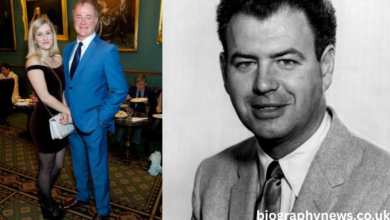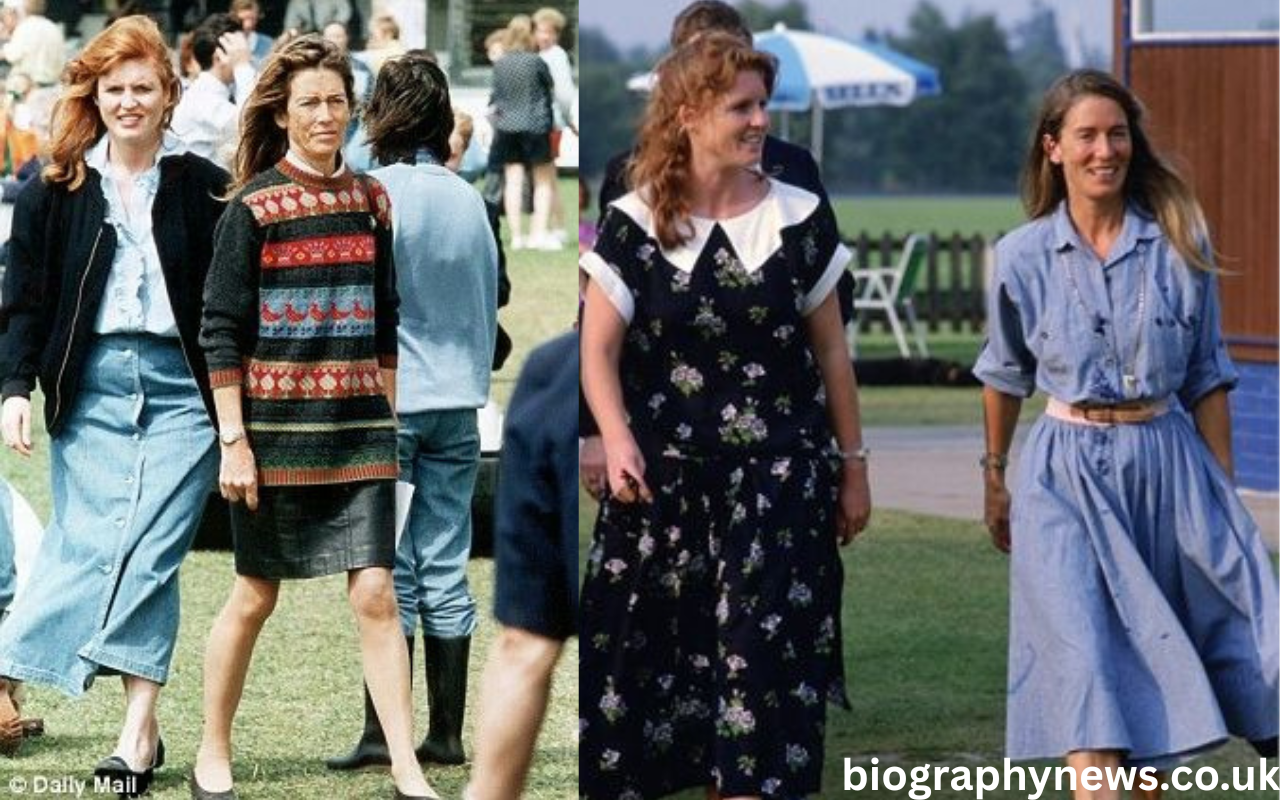
Susan Barrantes was born as Susan Mary Wright on June 9, 1937, in Bramcote, Nottinghamshire, England, into a family of wealth and aristocratic heritage. Her father, FitzHerbert Wright, belonged to a prominent industrial family, and her mother, Doreen Wingfield, was part of an Irish noble lineage. Growing up in such a prestigious family, Susan was exposed to a life of privilege, social events, and traditions of the British gentry. The world around her emphasized refinement, education, and the responsibilities that came with status.
From childhood, Susan developed a passion for horses and equestrian pursuits, which would remain a central theme throughout her life. She spent her early years riding, attending local horse shows, and learning the etiquette and poise expected of a young woman in high society. Her introduction to this elite world at a young age shaped her identity and provided the foundation for her later life choices, including her social connections and love for polo.
Despite growing up surrounded by privilege, Susan demonstrated a strong independent streak. Her personality combined charm, determination, and a curiosity that often led her to challenge traditional expectations. She navigated her early years with confidence, showing early signs of the adventurous spirit that would later define her journey from England to Argentina.
Marriage to Ronald Ferguson and Family Life
In January 1956, Susan married Lieutenant Ronald Ferguson, a British Army officer with a strong interest in polo. The marriage was a high-profile social event, celebrated within the circles of London aristocracy. Ronald’s position as a polo manager for the royal family, including Prince Charles, cemented the couple’s connection to Britain’s elite. Susan entered this life as a devoted wife, balancing social duties and personal ambitions in a world where appearances were often as important as family bonds.
Susan and Ronald had two daughters, Jane Louisa and Sarah Margaret, who would later become Sarah, Duchess of York. Susan was a devoted mother, instilling in her children a love for horses and the outdoors. Her home life, though comfortable and privileged, was influenced by the pressures of social expectation. Susan encouraged her daughters’ education and exposure to aristocratic society while trying to nurture their individual personalities.
The marriage, however, faced challenges. Differences in priorities and personal ambitions began to emerge over the years. Ronald focused on his polo career and military connections, while Susan increasingly sought fulfillment beyond her role as wife and mother. These tensions ultimately set the stage for Susan’s bold decisions in pursuit of a life that resonated with her passions and desires.
Meeting Héctor Barrantes and a New Life
Susan’s life changed dramatically in the early 1970s when she reconnected with Héctor Barrantes, a professional Argentine polo player. Their initial meetings had been at international polo events, where their shared love for horses and sport created a strong connection. Héctor’s charisma and dedication to polo deeply appealed to Susan, and this bond gradually transformed into a life-altering love.
In 1972, Susan made the unprecedented decision to leave her family and relocate to Argentina to be with Héctor. This decision shocked her social circle in England, as it meant leaving behind her daughters and the aristocratic life she had always known. The move marked a turning point, reflecting her desire for personal freedom, adventure, and a connection to a world she felt more passionate about than her British social obligations.
The relationship with Héctor eventually led to her divorce from Ronald Ferguson in 1974 and marriage to Héctor a year later. Together, they moved to the sprawling estate of El Pucará in Buenos Aires Province. Here, Susan embraced a new identity as a rancher, polo enthusiast, and creative thinker, finding fulfillment in a life completely different from the one she left behind.
Life at El Pucará and Polo Passion
Settling at El Pucará allowed Susan to fully immerse herself in the Argentine countryside and the sport she loved. She devoted herself to breeding polo ponies, managing cattle, and engaging with the tight-knit community of polo players. This was a world of vast open spaces, rigorous work, and a culture entirely distinct from British aristocracy, yet it gave Susan a sense of purpose and belonging she had long sought.
Susan’s love for horses extended beyond polo. She became an advocate for equestrian culture, creating opportunities for others to engage with horse breeding and the sport. Her daily life included training, ranch management, and social engagement with polo circles, which kept her deeply connected to the Argentine lifestyle. Her influence on local polo culture was notable, as she became a respected figure for her knowledge, passion, and leadership.
In addition to her hands-on ranch life, Susan also explored creative pursuits, including producing documentaries and writing about polo. She authored a book celebrating the sport, further cementing her reputation as both an insider and an observer. Her life at El Pucará represented a perfect blend of personal passion and professional engagement, defining the latter half of her life.
Widowhood and Challenges
The death of Héctor Barrantes in 1990 brought immense personal and financial challenges for Susan. As a widow, she faced the responsibility of managing the estate and sustaining her livelihood alone. The emotional toll was significant, as she had lost the partner who had inspired her move to Argentina and shared her deepest passions. The once-vibrant household at El Pucará required not only emotional resilience but also practical business decisions to remain viable.
Susan made strategic choices to manage the estate, including selling portions of land to stabilize finances while retaining key parts of El Pucará for horse breeding. These decisions reflected her independence, determination, and ability to adapt to difficult circumstances. She focused on maintaining her ranch’s legacy and ensuring her creative projects could continue, despite the challenges of widowhood.
Even in the face of adversity, Susan remained an influential figure in the polo and equestrian community. Her expertise, vision, and resilience earned her respect, and she continued to develop projects in documentary filmmaking, showcasing her understanding of both the sport and the lifestyle surrounding it. Her later years were marked by persistence and a commitment to her passions, despite the hardships she faced.
Relationship with the British Royal Family
Despite living thousands of miles away in Argentina, Susan maintained connections with the British royal family, primarily through her daughter Sarah. Sarah’s marriage to Prince Andrew in 1986 brought Susan back into the public eye and linked her life story with the royal narrative. She attended several high-profile events and remained a discreet yet important figure in her daughter’s life.
Susan’s relationship with the royals extended beyond formal events. She shared personal friendships and social bonds with members of the royal circle, including Princess Diana. These relationships reflected Susan’s charm, intelligence, and ability to navigate multiple social spheres simultaneously, balancing her Argentine independence with her British heritage.
Her connection to the royal family also created public interest in her life choices, particularly her decision to leave England for love and adventure. The contrast between her aristocratic upbringing and her self-directed life in Argentina provided a compelling narrative that continues to captivate audiences today.
Tragic Death and Public Mourning
On September 19, 1998, Susan Barrantes died in a tragic car accident near her home in Tres Lomas, Argentina. While returning from a social visit, her vehicle collided with another on a rural road, causing fatal injuries. Her sudden death shocked both the Argentine and British public, particularly due to her prominence as a social figure and her ties to the royal family.
Susan’s funeral took place at El Pucará, where she was buried beside Héctor Barrantes. Her passing marked the end of a life characterized by bold choices, personal reinvention, and unwavering commitment to her passions. It left her daughters and community grieving, yet also inspired reflection on the courage she had shown throughout her life.
Her death underscored the fragility of life but also highlighted the legacy she left behind: a unique story of love, independence, and dedication to equestrian culture. Today, Susan is remembered not only as the mother of Sarah, Duchess of York, but as a woman who pursued her heart’s desires and reshaped her life on her own terms.
Read More: Roger Moore Spouse: A Complete Journey Through His Marriages and Family Life
Legacy and Influence
Susan Barrantes’ life continues to inspire admiration for her independence, courage, and devotion to equestrian pursuits. Her story exemplifies the power of personal choice, illustrating how one can balance societal expectations with the pursuit of passion. She is remembered for redefining her identity and embracing a life far from the rigid confines of British high society.
Her influence on polo and horse culture in Argentina remains significant. Susan’s dedication to the sport, combined with her creative ventures, helped preserve and celebrate equestrian traditions. She is recognized as a figure who bridged two very different worlds—British aristocracy and rural Argentine life—leaving a lasting mark in both.
Through her daughters, her work, and the stories that recount her extraordinary life, Susan Barrantes continues to captivate the public imagination. Her journey embodies themes of love, transformation, and the pursuit of personal happiness, making her story timeless and compelling for generations to come.