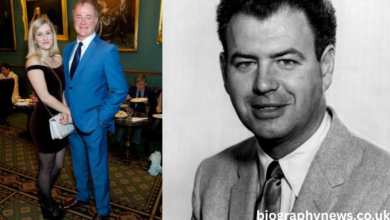
Peter Storey was born on 7 September 1945 in Farnham, Surrey, growing up in post-war England where football was more than just a sport; it was a community identity. From an early age, Storey displayed a fierce competitive spirit that separated him from other boys playing on local fields. His determination, physical strength, and fearless approach to challenges made him stand out long before he entered professional football. These early years shaped the mentality that would later define him as one of the toughest midfielders of his generation.
As a teenager, Storey joined the youth system of Arsenal in 1961. At the time, Arsenal were rebuilding and searching for young talent capable of restoring the club’s former glory. Storey quickly impressed coaches with his discipline and willingness to do the hard work others avoided. He signed professional forms in 1962, beginning a journey that would span more than a decade at Highbury.
His development through Arsenal’s youth and reserve teams was steady rather than spectacular, but what he lacked in flair he compensated for with resilience and tactical awareness. English football in the 1960s demanded grit and stamina, and Storey embodied both qualities. By the mid-1960s, he was knocking on the door of the first team, ready to prove himself on the biggest domestic stage.
Establishing Himself at Arsenal
Peter Storey made his first-team debut for Arsenal in October 1965, initially playing at right-back. Although naturally combative, he adapted quickly to the defensive role, showing positional intelligence and a sharp understanding of the game’s physical demands. His early appearances demonstrated that he was not afraid to challenge established opponents, earning respect within the dressing room.
Under manager Bertie Mee, Storey’s career began to flourish. Mee recognised that Storey possessed more than defensive ability; he had the temperament of a midfield enforcer. Gradually, he was transitioned into a central midfield role, where his stamina and aggression could disrupt opposition attacks more effectively. This positional change would define the peak years of his career.
During the late 1960s, Arsenal were steadily building a competitive squad. Storey became a consistent presence in the starting eleven, valued for his reliability and uncompromising style. He was not the most glamorous player on the pitch, but his work often allowed more creative teammates to thrive. In a team sport, those qualities are invaluable, and Storey’s influence grew season after season.
The Historic 1970–71 Double Triumph
The defining chapter of Peter Storey’s career came during the 1970–71 season when Arsenal achieved the remarkable feat of winning both the First Division title and the FA Cup. This achievement, commonly referred to as the Double, cemented the club’s place in English football history. Storey played a crucial role in that campaign, anchoring the midfield with determination and tactical discipline.
One of his most memorable performances occurred in the FA Cup semi-final against Stoke City. Arsenal were trailing when Storey stepped forward, scoring a vital goal before converting a dramatic late penalty that forced a replay. His composure under pressure showcased not just toughness, but also mental strength. Moments like these elevated him from a hardworking squad member to a key figure in Arsenal folklore.
When Arsenal secured the league title at White Hart Lane and then lifted the FA Cup shortly after, Storey stood as part of a team that had achieved something extraordinary. The Double season remains one of the club’s proudest achievements, and Storey’s contributions continue to be remembered by supporters who witnessed that golden era.
International Career with England
Peter Storey’s consistent performances at club level earned him recognition beyond North London. He made his debut for England national football team in April 1971. Representing one’s country is the ultimate honour for many footballers, and for Storey it marked the validation of years of hard work and commitment.
Between 1971 and 1973, Storey earned nineteen international caps. He was often selected for his defensive reliability and versatility, capable of playing in midfield or at full-back. England managers valued his ability to handle physically demanding matches, especially in an era when international football was intensely competitive and robust.
Although he did not score for England, his contribution cannot be measured purely in goals. He provided balance and protection in midfield, allowing more attack-minded players to express themselves. Wearing the Three Lions shirt solidified his reputation as one of the most dependable English players of his time.
Playing Style and Reputation on the Pitch
Peter Storey became widely known for his aggressive tackling and fearless approach to physical duels. In an era before strict disciplinary regulations, midfield battles were intense, and Storey thrived in that environment. He believed in making his presence felt early in matches, setting the tone with strong challenges that unsettled opponents.
He was sometimes labelled a “hatchet man,” a nickname reflecting his hard-hitting style. Yet teammates often defended him, arguing that his aggression was controlled and purposeful rather than reckless. Storey understood positioning, timing, and the psychological aspect of football. His challenges were designed to disrupt rhythm and assert dominance in midfield.
Beyond the tackles, he possessed tactical intelligence and stamina. He read the game well, intercepted passes, and supported defensive transitions. Modern fans discussing defensive midfielders often use terms like ball-winner, holding midfielder, or enforcer. Storey embodied those qualities decades before such labels became fashionable in football analysis.
Later Club Career and Retirement
After more than a decade at Arsenal, Storey left the club in 1977. He briefly joined Fulham F.C., where he spent the final stage of his professional career. Although no longer at the peak of his powers, his experience and leadership remained valuable assets.
By 1978, Storey decided to retire from professional football. His playing career had spanned a transformative period in English football, witnessing tactical evolution and growing commercial interest in the sport. Retirement, however, marked the beginning of a challenging new chapter in his life.
For many footballers of his generation, financial planning and career transition support were limited. The sudden shift from stadium crowds to everyday life proved difficult. Storey, like several former players of that era, struggled to adapt to life outside the game that had defined his identity.
Personal Struggles and Legal Troubles
Peter Storey’s post-football years became overshadowed by controversy and legal issues. After retirement, he ran businesses including a pub in London, but he became involved in activities that led to criminal convictions. His life off the pitch contrasted sharply with the disciplined professional image he once displayed.
Over the years, he faced several legal battles and periods of imprisonment related to financial and counterfeit schemes. These incidents attracted media attention and complicated his legacy. For supporters who remembered his heroics in 1971, the headlines were difficult to reconcile with the player they admired.
In 2011, Storey published his autobiography, True Storey: My Life and Crimes as a Football Hatchet Man. In the book, he openly discussed his mistakes, struggles with alcohol, and the consequences of poor decisions. The candid tone of his memoir offered readers a deeper understanding of the pressures athletes face after retirement.
Reflection, Redemption, and Later Years
In later years, Peter Storey expressed regret for his past actions and spoke about personal growth. He relocated to the south of France, seeking a quieter life away from media scrutiny. This move symbolised a desire for reflection and change after decades of turbulence.
His story has become part of a broader conversation about mental health, financial education, and post-career support for professional athletes. Modern football now invests heavily in player welfare, partly because earlier generations highlighted the risks of neglecting life after sport.
Storey’s willingness to confront his past publicly adds complexity to his narrative. He is remembered not only as a tough Arsenal midfielder but also as a man who experienced both triumph and downfall. That duality makes his life story compelling and deeply human.
Read More: Emma Paton: Sky Sports Presenter Shaping Modern Sports Broadcasting
Legacy in English Football History
Peter Storey remains an important figure in Arsenal’s history, especially for his role in the 1970–71 Double-winning side. His name is often mentioned when discussing the club’s greatest midfield enforcers. Supporters who value commitment and resilience continue to hold him in high regard.
In discussions about classic English football, Storey represents an era defined by toughness and loyalty. The physical battles of the 1960s and 1970s shaped the identity of the domestic game. Storey’s performances symbolised that uncompromising spirit that many fans still romanticise today.
Ultimately, Peter Storey’s legacy is layered. He was an Arsenal legend, an England international, a fearless competitor, and a flawed individual who faced serious consequences off the pitch. His life story reflects both the glory and vulnerability of professional footballers, ensuring that his name endures in conversations about English football history.