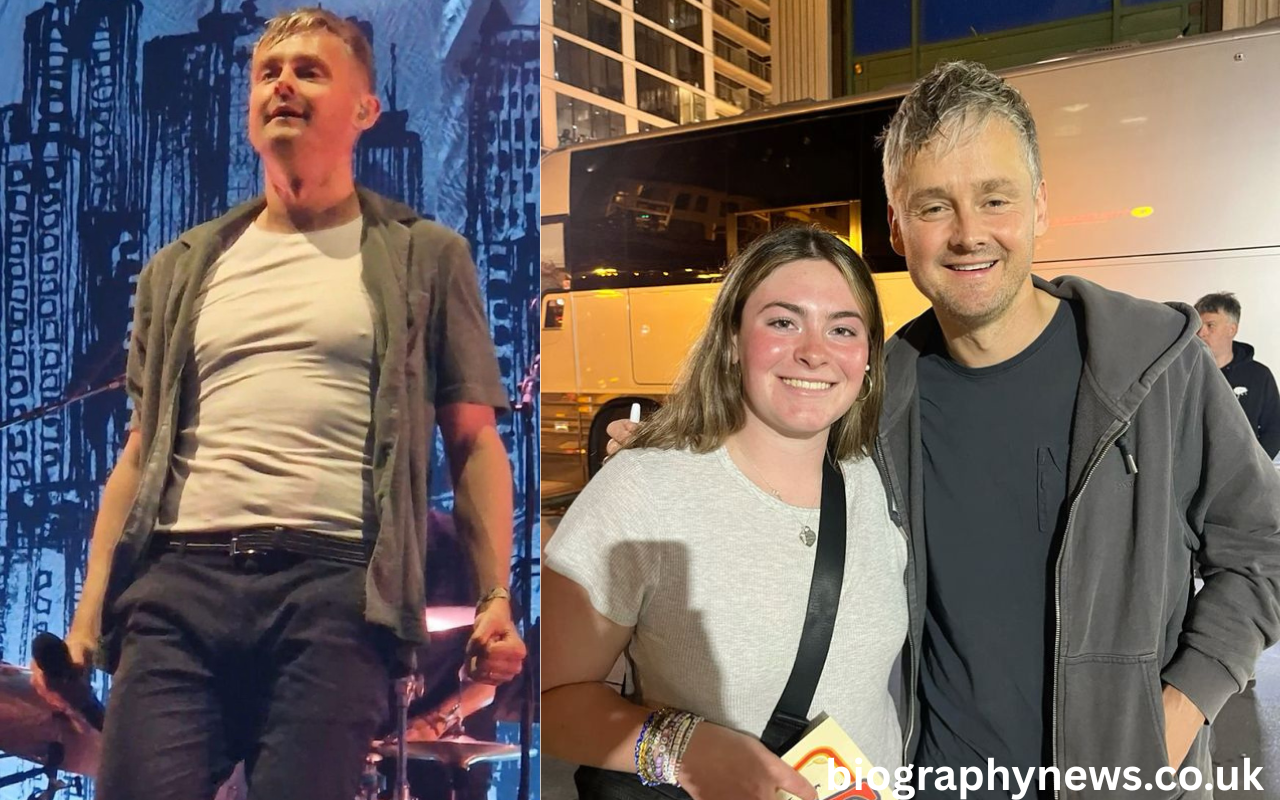
Tom Chaplin is widely known as the lead singer of Keane, one of the most influential British bands of the early 21st century. His voice became a defining sound of piano-driven alternative rock, helping Keane stand out in an era dominated by guitar-focused bands. With emotionally charged vocals and introspective lyrics, Chaplin helped shape songs that connected deeply with listeners around the world.
Keane’s music reached audiences who were searching for honesty, vulnerability, and melody in modern rock. Chaplin’s role as the frontman was central to this connection, as his vocal delivery carried themes of longing, change, and personal reflection. Over time, his presence became inseparable from the band’s identity and global recognition.
Beyond commercial success, Tom Chaplin’s story resonates because it is deeply human. His journey includes creativity, fame, personal struggle, recovery, and growth. Understanding Keane’s lead singer means understanding both the music and the life experiences that shaped it.
Early Life and Formative Years
Tom Chaplin was born in Hastings, England, and grew up in a supportive environment that encouraged creativity and self-expression. From an early age, he showed an interest in art and performance rather than following a strictly conventional path. Music gradually became his primary focus, even though his earliest interests extended into visual arts and academics.
His school years were especially important because this was when he formed close friendships with future Keane members. These relationships were built on trust, shared interests, and a mutual love for music. Rather than being assembled through auditions or industry connections, Keane grew naturally from these long-standing friendships.
Chaplin initially explored higher education, but music ultimately became the clear direction of his life. Choosing to pursue a band full-time was a turning point that required commitment and uncertainty. That decision laid the groundwork for a career that would later influence millions of listeners across different generations.
Becoming the Lead Singer of Keane
In Keane’s earliest phase, Tom Chaplin was not originally positioned as the lead vocalist. However, as the band evolved, it became clear that his voice carried a distinctive emotional quality that elevated their sound. Once he stepped fully into the role of lead singer, the band’s musical direction became more focused and cohesive.
Keane developed a unique identity by relying on piano rather than electric guitar as the foundation of their music. Chaplin’s vocals complemented this approach perfectly, adding warmth and emotional depth. This combination allowed the band to create songs that felt intimate while still being powerful and anthemic.
As Keane began performing more frequently, Chaplin’s confidence as a frontman grew. His stage presence was not built on excess or spectacle, but on sincerity and connection. This authenticity helped the band build a loyal fan base even before achieving mainstream success.
Breakthrough Success and Global Recognition
Keane’s breakthrough came when their early releases began attracting attention from critics and audiences alike. Their debut album marked a defining moment, placing the band firmly on the global music map. Tom Chaplin’s voice quickly became one of the most recognizable elements of their sound.
Songs from this period resonated because they reflected universal emotions such as nostalgia, uncertainty, and personal growth. Chaplin’s ability to convey vulnerability without sounding fragile gave the music a rare balance. The band’s success was not driven by trends but by emotional authenticity and strong songwriting.
As Keane’s popularity grew, they moved from small venues to international tours and major festivals. This period brought awards, chart success, and widespread media attention. For Chaplin, it was both an exciting and overwhelming phase that would later influence his personal life in significant ways.
Vocal Style and Musical Identity
Tom Chaplin’s vocal style is often described as clear, expressive, and emotionally open. He possesses a strong sense of melody and phrasing, allowing him to deliver lyrics in a way that feels natural and deeply felt. His voice is capable of both softness and intensity, often within the same song.
One defining feature of his singing is how it supports storytelling. Rather than overpowering the music, his vocals blend seamlessly with piano arrangements and subtle instrumentation. This approach gives Keane’s songs a timeless quality that continues to appeal to new listeners.
Over the years, Chaplin’s voice has matured, gaining depth and nuance. This evolution reflects not only technical growth but also life experience. His later performances show a singer who understands restraint, emotion, and the power of simplicity.
Personal Struggles and Recovery
Behind the success, Tom Chaplin faced serious personal challenges that affected both his health and career. At the height of Keane’s fame, he struggled with substance addiction, a battle intensified by constant touring and public pressure. These struggles were largely hidden from fans during the band’s most successful years.
Eventually, the impact of addiction became impossible to ignore. Chaplin reached a point where his life and career were at risk, forcing him to confront the reality of his situation. This period was painful but also necessary, marking the beginning of a major transformation.
Recovery became a turning point in his life. Through sobriety and self-reflection, Chaplin regained stability and clarity. His openness about this journey later became a source of inspiration, showing that healing and renewal are possible even after profound difficulty.
Solo Career and Personal Expression
During a break from Keane, Tom Chaplin pursued a solo career that allowed him to explore his identity outside the band. This phase gave him creative freedom to address personal themes more directly, including recovery, self-doubt, and renewal. His solo work offered a different emotional tone while retaining his signature vocal style.
His solo albums revealed a more intimate side of his songwriting. Without the collective framework of a band, Chaplin’s lyrics felt more confessional and direct. This honesty resonated with listeners who appreciated his willingness to share deeply personal experiences.
The solo period also helped him grow as an artist. It strengthened his confidence and clarified his creative direction. When he later returned to Keane, he brought with him a renewed sense of purpose and artistic balance.
Keane’s Reunion and Later Years
Keane’s reunion marked a new chapter defined by maturity rather than nostalgia. The band returned with music that reflected years of personal growth and shared experience. Tom Chaplin’s vocals, shaped by time and recovery, added a deeper emotional layer to their newer work.
Live performances during this period demonstrated how the band had evolved. Rather than simply recreating past success, Keane embraced their history while allowing space for change. Chaplin’s presence on stage felt grounded, confident, and emotionally engaged.
This later phase of Keane’s career showed that longevity in music comes from authenticity and adaptability. The band’s continued relevance proved that their connection with audiences was not tied to a specific era, but to the emotional truth of their songs.
Legacy and Lasting Influence
Tom Chaplin’s legacy as Keane’s lead singer extends far beyond chart success. He helped define a sound that influenced countless artists within alternative and piano-led rock. His voice became a reference point for emotional honesty in modern music.
Equally important is his personal story, which adds depth to his artistic legacy. By speaking openly about struggle and recovery, Chaplin reshaped how fans perceive success and vulnerability. His journey highlights the importance of mental health and self-awareness in creative careers.
Today, Tom Chaplin stands as both a respected musician and a relatable human figure. His work with Keane and as a solo artist continues to inspire listeners worldwide. Through music, resilience, and authenticity, he has secured a lasting place in contemporary music history.
Read More: Irmelin Indenbirken: The Remarkable Life, Influence, and Legacy Behind Leonardo DiCaprio