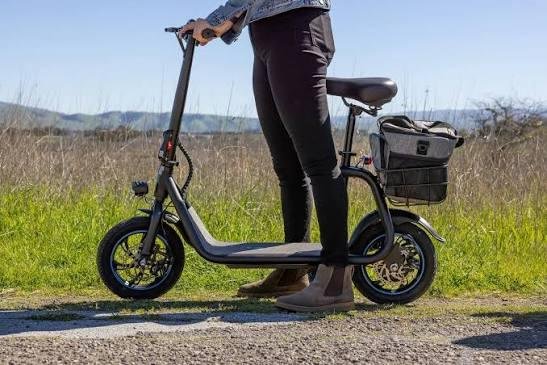
Whenever people talk about cleaning up transportation, the conversation almost always drifts toward electric cars. That’s understandable — EVs are visible, expensive, and loudly marketed — but it skips past a category of travel that makes up the bulk of what most city dwellers actually do. A huge portion of urban trips are under three miles. The corner shop. The train station. A quick coffee before work. For that slice of daily life, smaller electric vehicles are quietly doing more environmental good than the headlines about car electrification tend to suggest.
The Environmental Math Behind Short Trips
Short car trips are surprisingly wasteful, and the reason comes down to how engines work. A cold engine running for the first few minutes of a journey operates well below its efficient range — it hasn’t reached optimal temperature yet. That means a two-mile drive often produces more emissions per mile than the same car would on a longer motorway stretch. Stack that up across millions of identical short trips happening in cities every single day, and the case for replacing them with lighter, smaller alternatives starts looking a lot more compelling than EV statistics typically make clear.
Reason 1: Lower Emissions Per Mile Than You’d Expect
A small electric vehicle drawing from a standard wall socket still produces a fraction of the per-mile emissions a petrol car does — even when the grid supplying that electricity isn’t particularly clean. In cities with greener energy sources, the advantage is even more pronounced. And here’s something worth noting: as local grids shift toward renewables over time, an electric scooter or bike gets cleaner automatically, without any changes to the vehicle itself. A petrol engine will never be able to say the same.
Reason 2: Less Manufacturing Footprint Than a Car
Tailpipe emissions are only one part of the environmental picture. Building a car requires an enormous amount of raw material, energy, and water — long before it ever leaves the factory. Any honest lifecycle comparison has to account for that upfront cost, not just what comes out of the exhaust once it’s on the road.
What “Lower Footprint” Actually Means
The difference is significant when you get specific about it. A scooter uses a fraction of the battery capacity a car needs, a fraction of the metal, and none of the complex drivetrain components. Buyers who genuinely care about lifecycle impact tend to look closely at this when they’re researching options — scrutinising the battery specs and build materials of something like a PostJoy E-Scooter the same way they’d evaluate a car’s fuel economy rating. The vehicle itself is part of the sustainability equation, not an afterthought.
Reason 3: Cities Are Building Infrastructure to Match
This isn’t happening in a vacuum. Across multiple continents, cities have expanded protected cycling lanes, added dedicated scooter parking, and adjusted speed limits on shared paths to accommodate the growing number of small electric vehicles on the road. Infrastructure investment tends to follow where the demand is. The steady rise in micro-mobility use over recent years has pushed urban planners to treat scooters and e-bikes as permanent fixtures — not a trend to wait out.
When a Bike Beats a Scooter for Sustainability Too
Scooters aren’t the only answer here. On hillier routes or longer trips, a pedal-assist bike often wins on both efficiency and practicality. The pedalling element reduces reliance on battery power alone, stretching the range further per charge and lowering energy draw per mile compared to a scooter covering the same hilly ground. Riders trying to replace longer car journeys — not just short hops — often end up weighing something like the PostJoy Electric Bike against scooter alternatives specifically because the added range and pedal efficiency make it the more sensible environmental choice once a trip extends beyond what a scooter handles comfortably.
Shared Programs vs Personal Ownership
Most of the public conversation around electric scooters has centred on shared rental fleets — those clusters of scooters parked on street corners waiting to be hired. The sustainability maths shifts depending on how the vehicle is used, though. Shared scooters do spread their manufacturing footprint across many users and trips, which sounds efficient in theory. But in most cities, they also require vans to collect, redistribute, and recharge them overnight — a logistics overhead that eats into some of that environmental benefit. A personally owned scooter or bike skips that redistribution step entirely. It charges at home, stays with one rider, and for someone using it daily rather than occasionally, often turns out to be the more efficient option overall.
What This Means for Individual Choices
None of this requires an all-or-nothing decision. The most practical approach is simply matching the vehicle to the trip. A scooter or bike for the daily short journeys that make up the majority of urban travel; a car for genuinely long trips, bad weather days, or errands that need cargo space two wheels can’t handle. Households that make this swap for even a portion of their weekly trips tend to notice two things at once: a smaller fuel bill, and a real reduction in the number of short car trips taken out of habit rather than necessity.
Local conditions still matter. A city with mild weather and flat terrain will see far more trips migrate to electric scooters and bikes than one with long winters or steep hills. That’s part of why infrastructure investment and incentive programmes vary so much from one city to the next.
The Bigger Shift Happening in Cities
Cars aren’t going anywhere, and nobody credible is suggesting they should. The shift happening right now is narrower than that — and already well underway. A meaningful share of the short trips that used to default to a car are moving to lighter, smaller, electric alternatives. It doesn’t require a dramatic policy change to add up to something real. A few avoided short car journeys per week, multiplied across a large urban population, produces a cumulative impact on air quality and energy use that’s genuinely significant — even if it happens quietly, one scooter or bike ride at a time.