Introduction
Weddings are among the most joyful and memorable events in a person’s life. They bring together family members, friends, and loved ones to celebrate the beginning of a new chapter. Food, music, dancing, and social gatherings often play a major role in wedding festivities. In many cultures, alcohol is also a common feature of wedding celebrations. While moderate drinking may seem harmless during such occasions, excessive alcohol consumption can create serious problems. Wedding alcoholism refers to unhealthy drinking behaviors associated with wedding events, including excessive alcohol use by guests, family members, or even the couple themselves. Understanding this issue is important for ensuring that celebrations remain safe, enjoyable, and memorable for the right reasons.
The Role of Alcohol in Wedding Celebrations
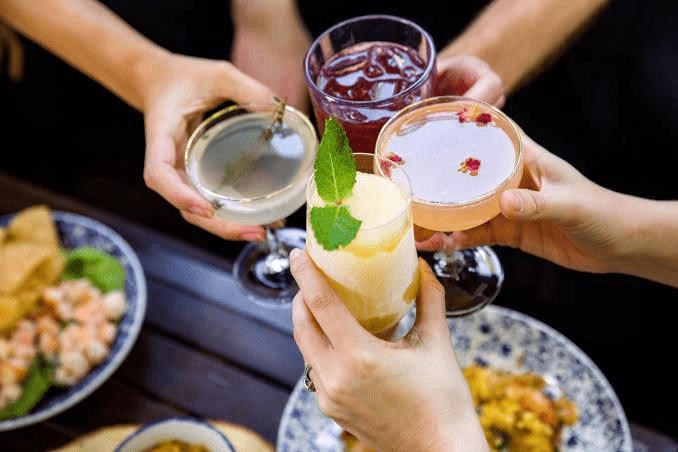
Alcohol has been part of wedding traditions in many societies for generations. It is often viewed as a way to help guests relax, socialize, and celebrate. Champagne toasts, cocktail hours, and open bars have become common features at modern weddings.
While alcohol can contribute to a festive atmosphere, it can also encourage excessive drinking if not managed responsibly. Weddings are emotional events, and the combination of excitement, social pressure, and unlimited access to alcohol can sometimes lead individuals to consume more than they normally would.
Why Excessive Drinking Happens at Weddings
Several factors contribute to heavy drinking during wedding celebrations. One common reason is the desire to fully participate in the festivities. Guests may feel encouraged to drink because others around them are doing the same.
Open bars can also contribute to excessive alcohol consumption. When drinks are freely available throughout the event, some individuals may drink more than they would in other social settings. Additionally, weddings often last several hours, increasing opportunities for repeated alcohol consumption.
Emotional factors can also play a role. Weddings may bring together family members who have not seen each other for years, creating both joyful and stressful situations. Some people may use alcohol to manage anxiety, social discomfort, or emotional stress during the event.
The Impact on the Couple
The wedding day is one of the most important moments in a couple’s life. Excessive alcohol consumption can negatively affect their experience. Drinking too much may impair judgment, create embarrassing situations, or cause important memories of the celebration to become unclear.
In some cases, disagreements or misunderstandings fueled by alcohol can create tension between the newlyweds or among family members. What should be a joyful occasion can quickly become stressful if alcohol-related problems arise. Responsible drinking helps ensure that the couple can fully enjoy and remember their special day.
Effects on Guests and Family Members
Wedding alcoholism does not only affect the couple. Guests who drink excessively may behave in ways that disrupt the event. Arguments, inappropriate behavior, accidents, and property damage are all possible consequences of excessive alcohol use.
Family members may also experience discomfort if a guest becomes intoxicated and creates a disturbance. Such incidents can overshadow the positive aspects of the celebration and leave lasting negative impressions. Maintaining a balance between celebration and responsibility is essential for preserving the atmosphere of the event.
It does not do to dwell on dreams and forget to live. So we beat on, boats against the current, borne back ceaselessly into the past. Our lives begin to end the day we become silent about things that matter.
Safety Concerns
One of the most serious risks associated with excessive drinking at weddings involves safety. Intoxicated individuals may be more likely to experience falls, injuries, or other accidents. Poor decision-making caused by alcohol can lead to dangerous situations for both the individual and those around them.
Driving under the influence is another major concern. Guests who consume excessive amounts of alcohol and then attempt to drive home put themselves and others at significant risk. Wedding hosts can help reduce this danger by encouraging the use of designated drivers, taxis, or transportation services.
Recognizing Signs of Alcohol Dependence
For some individuals, a wedding may reveal deeper issues related to alcohol dependence. If someone consistently struggles to control their drinking, becomes aggressive when intoxicated, or relies on alcohol to cope with emotions, these may be signs of a more serious problem.
Family members and friends should be aware of these warning signs and offer support when necessary. Weddings often bring people together, creating opportunities to notice behaviors that might otherwise go unnoticed in everyday life.
Promoting Responsible Celebration
There are many ways to encourage responsible alcohol consumption at weddings. Event organizers can offer a variety of non-alcoholic beverages alongside alcoholic options. Providing quality food throughout the event can also help reduce the effects of alcohol.
Limiting bar hours or serving alcohol in moderation can further encourage responsible behavior. Some couples choose to create alcohol-free wedding environments, focusing instead on entertainment, music, and social interaction. Regardless of the approach, the goal is to create an enjoyable celebration without compromising safety or well-being.
The Importance of Awareness
Awareness is one of the most effective tools for preventing alcohol-related problems at weddings. When guests understand the potential consequences of excessive drinking, they are more likely to make responsible choices. Open conversations about moderation and safety can help create a positive environment where everyone feels comfortable and respected.
Couples planning their weddings should consider how alcohol will be managed during the event. Thoughtful planning can significantly reduce risks while allowing guests to enjoy the celebration responsibly.
Conclusion
Weddings are meant to be joyful occasions filled with love, happiness, and meaningful memories. While alcohol is often a traditional part of many celebrations, excessive drinking can create problems that affect the couple, guests, and families. Wedding alcoholism highlights the importance of responsible alcohol consumption during these special events. By promoting moderation, prioritizing safety, and encouraging awareness, couples can ensure that their wedding day remains a positive and unforgettable experience for everyone involved. The true focus of a wedding should always be the celebration of love and commitment, not the consequences of excessive alcohol use.